My regular readers may have noticed my lack of baking blogs lately. That’s because I had my cholesterol tested last June and it was borderline. Borderline is worse than bad, as borderline means you should watch it, whereas bad means you absolutely must, but either way you feel guilty when you don’t.
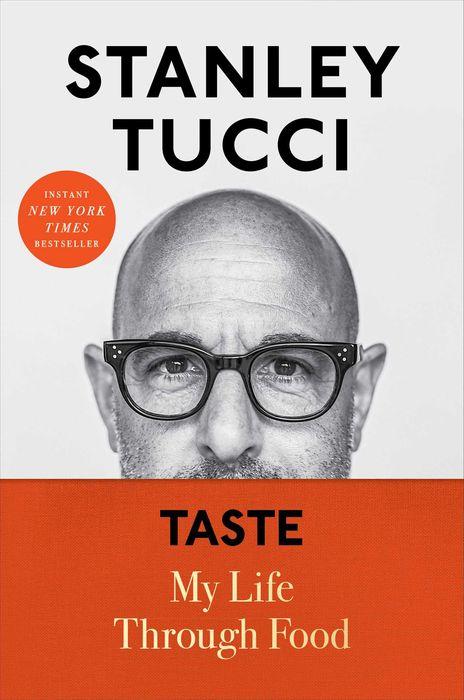
But there’s nothing to say that you can’t read about food. I absolutely devoured this month’s Literary Salon selection – Stanley Tucci’s bestseller, Taste: My Life Through Food. (goodreads link) This is a book for both foodies and non-foodies alike.
I must admit, I didn’t even know who Stanley Tucci was, other than that guy who ate his way through Italy last spring on those CNN TV specials – Searching For Italy, where he would visit a different city each week and explore their food culture, of which I only caught the episodes on Florence and Milan. (It’s been renewed for season two next year) He was sort of a replacement for the late Anthony Bourdain, but they must have known he had the book coming out. (His wife is a literary agent in London.) So when I saw the reviews were unanimously positive, I put it on reserve. As well as being an author, he has starred in 70 movies, although the only ones I can recall are Julie and Julia (where he played Paul Child) and The Devil Wears Prada, and also The Hunger Games. He’s the kind of nondescript actor you can easily overlook, but his book is one of those interesting reads you can’t put down.
Growing up Italian, food was always important to him, especially pasta. There are a few recipes scattered throughout the chapters, but maybe you have to be a pasta-lover to fully appreciate them. It may be blasphemous, but to me all pasta tastes the same. Yes, I know, the different textures help pick up the various sauces and fillings, but to me it’s all just pasta. But I do have a mild allergy to garlic, so I might not be the best judge.
I had many Italian friends growing up as I attended a Catholic high school. Their food was different than the meat-potato-veg fare we ate at home. Their desserts were different too – I remember in particular a cake so liquor-soaked you could get drunk on it. While Stanley Tucci came from Italian roots, he grew up in the suburbs of New York. I had to laugh when he wrote about his class-mates wanting to trade their peanut butter or baloney sandwiches for whatever tasty leftovers his mother had put in his lunchbox, scoring some extra Twinkies in the process. (My favorite was always those chocolate Hostess cupcakes with the cream filling in the centre, which we did not get very often.)
As Stanley Tucci has just turned sixty, the first few chapters are about growing up in the 60’s and 70’s. When he was thirteen his father took the family to Florence for a sabbatical year, (in the TV episode he took his parents, now in their eighties back to revisit the city), so the first time he ever ate in a restaurant was in Rome. They did not eat out very often in Florence, as a high school art teacher’s salary did not extend to dining in restaurants, but his mother cooked wonderful meals at home.
It’s hard to imagine not eating out in restaurants, but if you grew up in that era, most people didn’t, other than MacDonalds or a diner or burger joint. I was 19 before I ate Chinese food, let alone experience any other culture. My mother’s nod to pasta was spaghetti with Campbell’s tomato soup as the sauce. Ragu was a big improvement. By high school my Italian had stretched to pizza.
There’s a chapter about the food and catering on movie sets (I haven’t quite forgiven him for eating puffin in Iceland, even if there are 8 million of them), and a chapter on cooking during the pandemic while at home with his wife and children – he has two young kids and four over 18. He lost his first wife to breast cancer in 2009. He met his second wife at her sister’s (Emily Blunt) wedding (they bonded over their shared love of food) at “a venue that could be George Clooney’s villa” – there’s some name dropping, but in a fun jesting way. “A man who resembles Colin Firth” was very helpful in taking him to ER when he was nauseated after his chemo treatments. And Ryan Reynolds, what a kind soul to lend him his New York apartment while he was undergoing radiation treatment.
On the tv episodes I often wondered how he stayed so slim? He says he has always had a fast metabolism, but the last chapter of the book deals with his 2017 bout with tongue cancer. For a person so devoted to food, to have such a diagnosis must have been devastating, especially having been through cancer with his first wife, and now having a young family with a two year old and a baby on the way. After surgery, chemo and radiation, he endured 6 months of tube feeding, and then two years of not being able to taste food, and a heightened sensitivity to hot and cold. But he came through it, being all the more appreciative of surviving, and being able to taste once more.
This is an entertaining read, as well as a revealing personal memoir. The descriptions are witty and funny and it’s just lovely writing. One small complaint, which spoiled it for me a bit, was the number of swear words. It seems to be a fad these days, but to me it’s just not literary, and if that is the only adjective you can come up with to describe a dish or restaurant, then you must be channeling Anthony Bourdain. So for that I subtract one star….and maybe another half-star for the lack of any reference to gelato.
And now for the music part – I saw Billy Joel sing this in concert when I was a poor student in the 70’s – back when Italian food was a plate of homemade lasagna and a bottle of Mateus.
“A bottle of white, a bottle of red
Perhaps a bottle of rose instead
We’ll get a table near the street
In our old familiar place
You and I -face to face
A bottle of red, a bottle of white
It all depends upon your appetite
I’ll meet you any time you want
In our Italian Restaurant”



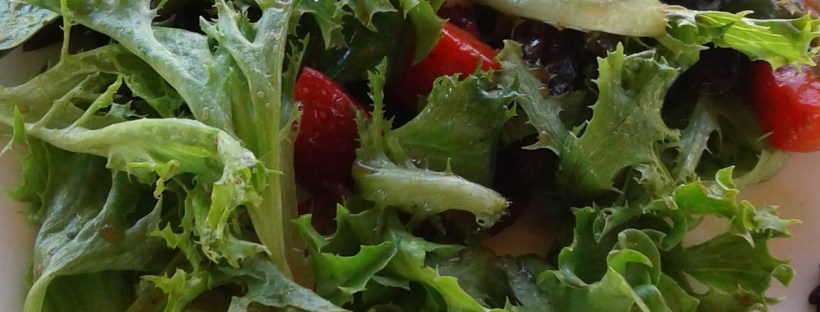
 Many of us have the desire to eat healthier, but in today’s fast paced world it’s becoming more difficult to do so, hence the arrival of all those companies who will conveniently, albeit for an outrageous price, send you weekly pre-measured food preparation parcels – voila, supper in 30 minutes, as if a grown person wasn’t capable of going to a grocery store, buying food and preparing it just as quickly. Perhaps there are fewer left-overs, but aren’t leftovers a good thing and would you really enjoy all those recipes they send? As well, a large percentage of debt-ridden people eat out several times a week, a major hit to the family budget, and now you don’t even have to go out as those grub-hub apps will deliver the meal right to your front door. And then there is the ever present lure of fast food restaurants so conveniently located along strip malls everywhere. No wonder we have all forgotten how to cook, or in my case never bothered much.


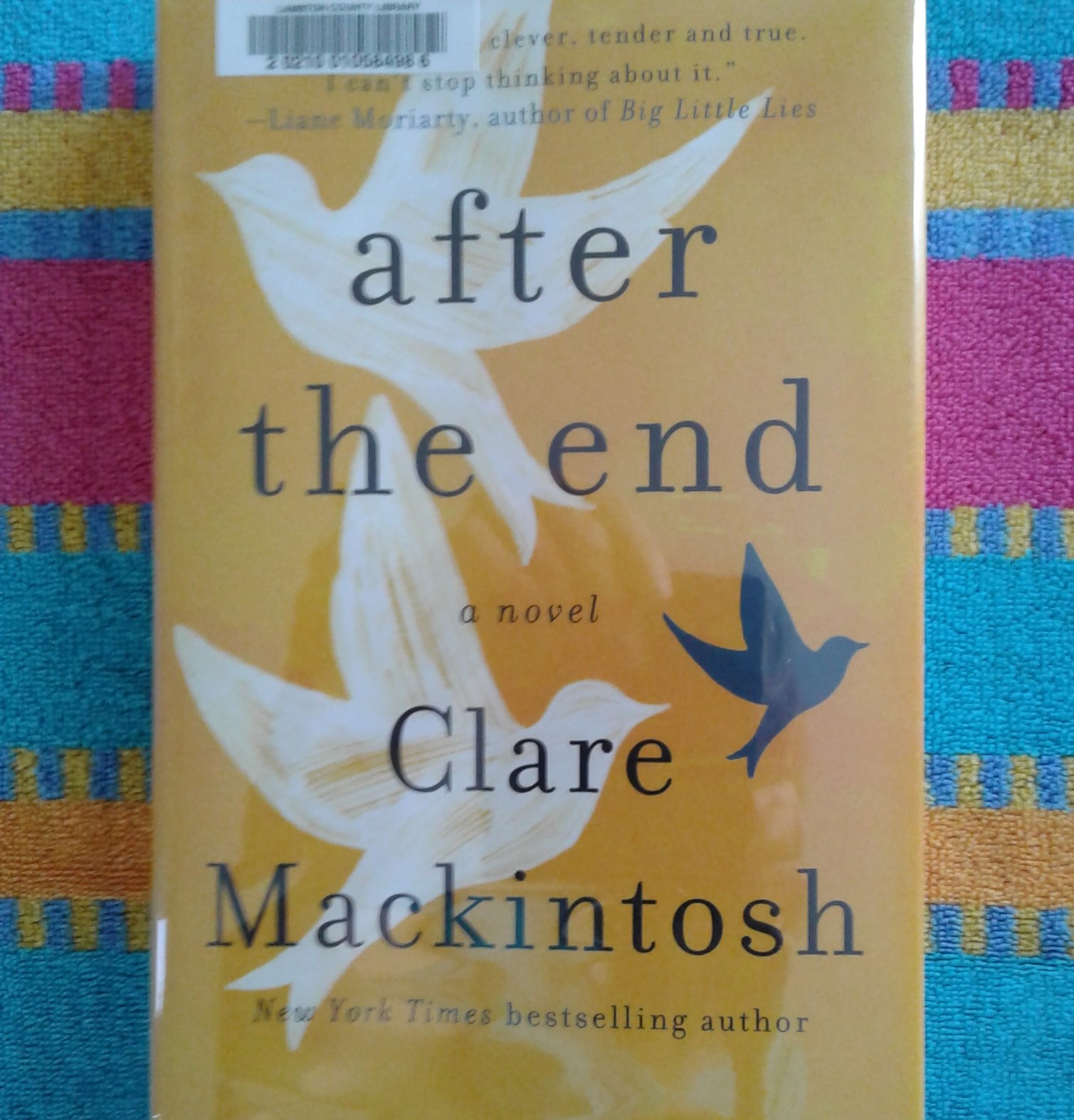

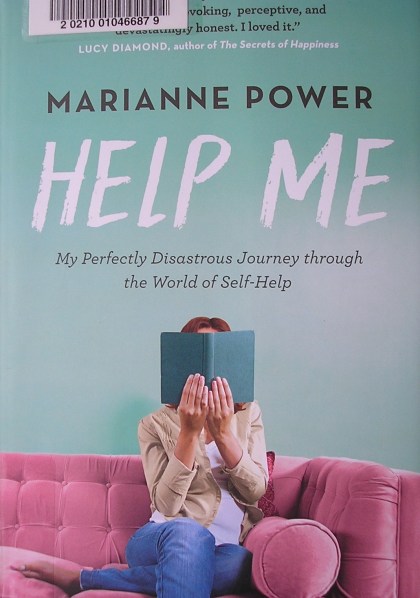 This month’s literary review is about one woman’s humorous but perfectly disastrous journey through the world of self-help books.





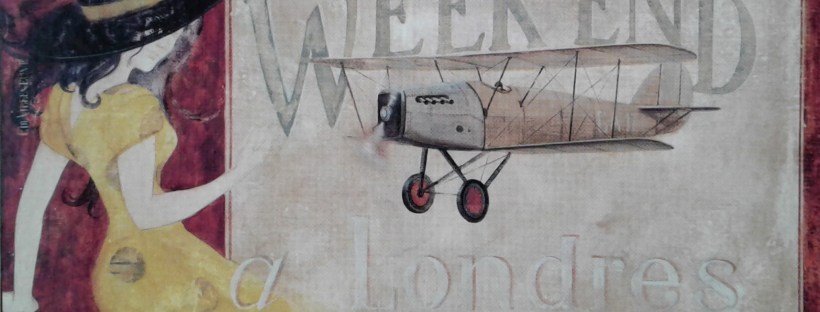
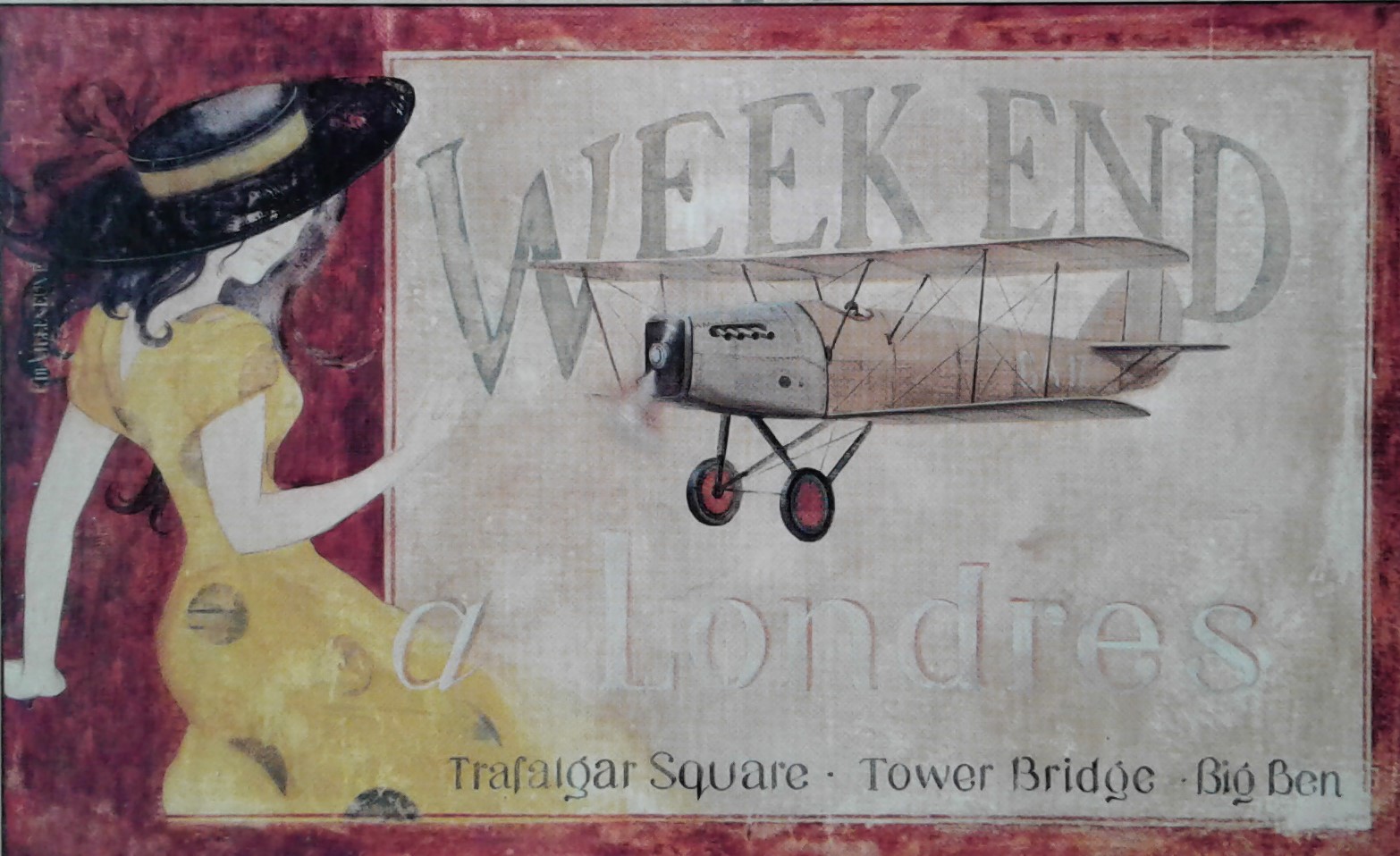
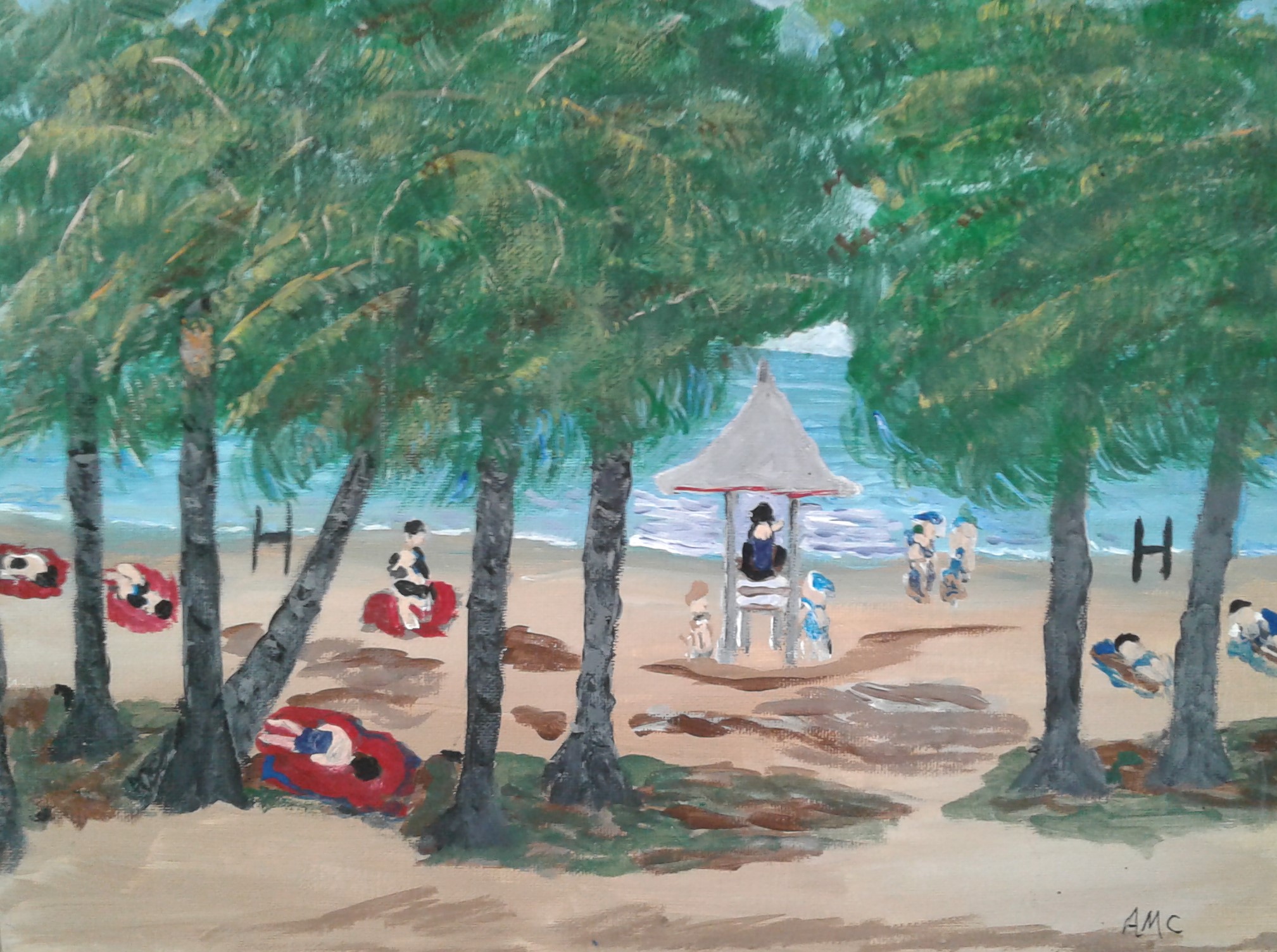 This is the time of year I used to be winging my way south to escape winter for a week. Travel-wise people routinely book flights months in advance to get the best prices for the prime travel season over the February/March break, but years ago travel was still an unknown venture for the vast majority of people. Only 15% of North Americans had even been on a plane in the 1970’s. It took the hippie generation of young baby boomers, staying in hostels and Euro-railing their way across Europe on $10 a day, to jump start the travel industry so that flying became a commonplace experience. In the Pan-Am years of the 50’s and 60’s with the first charter trips to the Caribbean and Mexico (Acapulco anyone), travel was only for the fortunate few and the very rich. The jet-setting life of airline stewardesses was advertised in books like Coffee, Tea or Me……a line that would surely be considered sexist now. My SIL was an airline stewardess in the mid-80’s and said it wasn’t really all that glamorous….more like being a hard-working waitress in the air and trying to sleep in stuffy hotel rooms.
 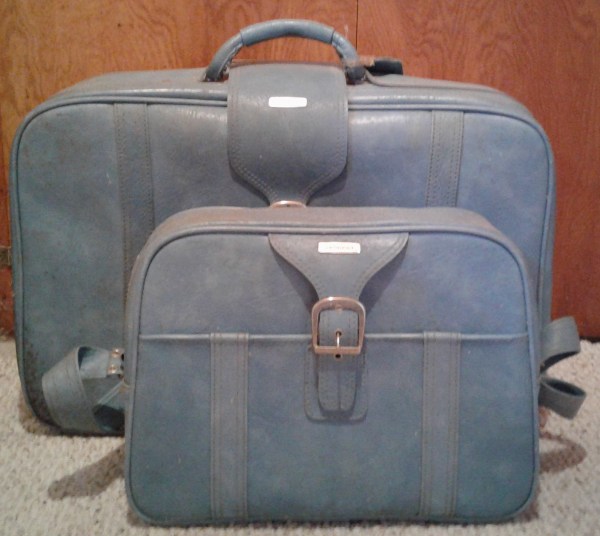 Today the majority of people hop on a plane at least once a year and think nothing of it. It’s hard to remember when flying was a new and exciting experience, whether someplace tropical or abroad. (The whole concept of Abroad used to be considered exotic, bringing to mind an era of elegance, with ocean liners like the Queen Elizabeth and sleeping cars on the Orient Express). Now flying is just routine, often fraught with headaches, and certainly not part of the fun of going away. Unmanned check-ins and luggage kiosks, long pre-boarding wait times, luggage fees, cramped seats, no meals or drinks and a general lack of amenities have taken the fun from the friendly skies. And consider yourself lucky if no one is ejected from your flight for rude comments or behavior, as many online videos can attest. A friend of mine was so traumatized by a bad airline experience that when her husband found a great price on a mid-winter trip she turned it down because she didn’t want to have to deal with the airport. (I am imagining a future where we might be instantaneously whisked away to our destination in our own magic bubbles like the Jetsons).
  I was 24yrs old when I took my first plane trip, a two-week vacation to Hawaii, a popular destination in the 80’s but expensive even back then. I flew on on a Wardair Boeing 747 Jumbo Jet, a 9½ hour flight straight from Toronto to Oahu – an experience I will remember forever. Wardair was a Canadian airline company started by Max Ward in 1946 as a bush pilot operation carrying cargo from the Yukon and Northwest Territories to Edmonton, which eventually expanded into a luxury domestic and international travel fleet of aircraft. Mr. Ward believed that PART OF THE FUN OF TRAVEL SHOULD BE GETTING THERE. Wardair’s motto was luxury “Steak and Champagne” flights at reasonable prices. Here’s a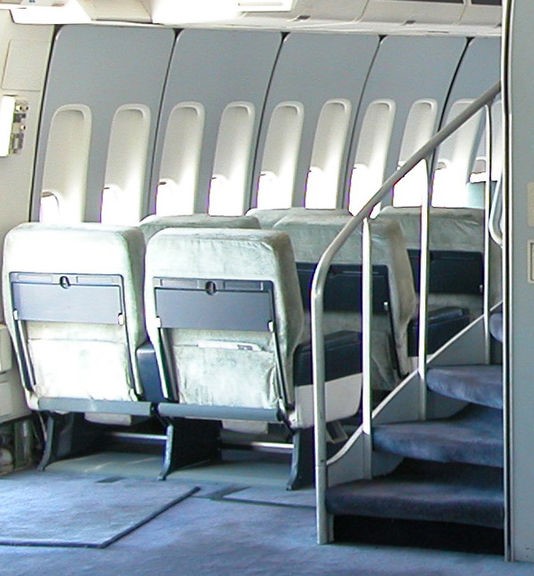




 SHARI LAPENA is the internationally bestselling author of The Couple Next Door and A Stranger in the House. She was a lawyer and an English teacher before turning her hand to fiction.
 thehomeplaceweb