There are books, and then there are book club books. The sign of the later is when you’re finished reading it, you want to discuss it with someone else who has read it. So, here are ten books, published in the past year or two, good for discussion at book clubs everywhere…..except mine of course, where the majority prefer light and fluffy (see last week’s Beach Reads). Not that there’s anything wrong with those, (I read both) but the ideal book club selection should have enough material in it for a lively discussion. (I’ve critiqued the cover art too…although this batch is not as good as last weeks, but it’s what’s inside that counts!)
Upwardly mobile cover art conveys the theme.
A Great Country – Shilpi Samaya Gouda
Family saga. For the Shahs, Indian immigrants who came to America twenty years ago, the move to a lovely upscale Pacific Heights neighbourhood is the culmination of a dream, until their 12 year old son is arrested in a violent encounter with police. For their three children born and raised in America, success is not so simple. Themes – immigration, generational conflict, social class and privilege. I enjoyed her other books, especially her first, Secret Daughter.
Standard cover art for her books – with a few palm fronds for the tropical setting.
One Perfect Couple – Ruth Ware
Psychological Suspense, reminiscent of Agatha Christies And Then There Were None. Things are not going well for Lyla and her actor boyfriend, until he auditions for a reality TV show in England and wins. They are whisked away to a small island in the Pacific with five other couples, and things are fine until a storm hits, the film crew suddenly departs, and the couples are left alone as a killer stalks among them. Deprived of their cell phones the group must band together for survival. As tensions run high and supplies run low, Lyla finds this game show is all too real, and the stakes are life and death. Although Ruth Ware is one of my favorite authors, I wasn’t prepared to like this book as much as I did, given my general dislike of reality tv shows, but I found it very suspenseful, with a truly surprising ending. I won’t reveal the theme, but it’s sort of like Lord of the Flies for adults, with a twist. I think this is her best book yet.
Green for the woods?
The God of the Woods – Liz Moore
Psychological suspense and family drama. August 1975, early morning in the Adirondack Mountains, a camp counselor discovers an empty bunk. Barbara Van Laar, the 13-year-old daughter of the affluent family who owns the summer camp, has gone missing, prompting a massive search. But this isn’t the first time a Van Laar child has disappeared, her older brother vanished 14 years ago, never to be found. A real page turner, with a satisfying ending.
A courthouse in turbulent times.
A Calamity of Souls – David Baldacci
Historical fiction/courtroom drama. South Virginia, 1968, the civil rights movement is raging. A young white male lawyer teams up with a female black lawyer from Chicago to represent a black man wrongly accused of brutally killing his wealthy white employers. Fast paced, good characterization, and a riveting court case, with a surprise ending. Wow – is all I can say, this was one of the best books I read last year. Lots to discuss, racism, the civil rights movement, a bygone era that’s starting to look familiar again.
A key to a room with a socialist rose?
The Briar Club – Kate Quinn
Historical Fiction. Washington DC 1950, a story of friendship and secrets in a female boarding house during the McCarthy era. Everyone keeps to themselves at Briarwood House, until a mysterious widow with secrets of her own, arrives and starts to hold weekly dinner parties in her room. The book opens with a dead body upstairs and the women must decide who is the true enemy in their midst. I had never read anything set in the McCarthy era, so I enjoyed this immensely.
I like this cover – short and to the point.
Those People Next Door – Kia Abdullah
A gripping thriller about nightmare neighbours. Salma Khatun is hopeful that the safe suburban neighbourhood they have just moved to, is a fresh start for her family and teenage son, but not long after they move in, the man next door rips out the anti-racist banner she put on her front lawn. She doesn’t confront him as she wants to fit in, so she moves the banner inside and puts it in her window, only to wake the next morning to find her window smeared with paint. Things escalate from there and battle lines are drawn, while they are unaware their two sons have become friends.
A standard cover for her, with a helicopter for Vietnam
The Women – Kristen Hannah
Historical drama about the forgotten role of women in the Vietnam war. 21-year-old Frankie, a sheltered young woman from an affluent military family, enlists as a nurse during the Vietnam War. The story follows her tours of duty and the decades thereafter. I found this story fascinating and disturbing as all war stories are, particularly as I had never read anything set in Vietnam.
Self-explanatory but kind of boring.
The Berry Pickers – Amanda Peters
Family saga/mystery. July 1962 A four-year-old Mi’kmaq girl from Nova Scotia goes missing from the blueberry fields of Maine, where her family travels for work every summer, sparking a tragic mystery that haunts the survivors and remains unsolved for fifty years. Meanwhile a young girl grows up in Maine, the only daughter of affluent parents, never quite fitting in, until she searches for the truth about her family. A debut novel by a Canadian author, very good.
Beware a guy who seems to good to be true. The copy I read had a plainer British cover, minus the sociopath.
One of the Good Guys – Araminta Hall
Psychological thriller/mystery. “Hall’s feminist tour de force, shines a light on how easy it can be for strong women to be coerced and manipulate by ’good men’….and how easily these men hide in plain sight.”
How often have you heard a divorced woman say – I thought I married one of the good ones? Two people meet in a small coastal British village and think they know each other, until two female hikers are declared missing from the same area. Honestly, this book just creeped me out, as it was meant to, particularly the good guy character. Totally amazing plot twists made for a very bold statement at the end.
Patio lanterns – it’s midnight party time.
The Midnight Feast – Lucy Foley
Psychological thriller/mystery. A multi-character novel about a reunion that turns deadly at a luxury resort in the English countryside. When a body is discovered on the opening night in an adjacent wood all the secrets of the past come spilling out at the midnight feast. The founder of the resort, one of those perfect influencer types, was especially well done, and justice was served like desert at the end. Easily her most riveting book yet.
I love it when my favourite authors just keep getting better and better. I wonder how they can keep coming up with such amazing ideas and plots which also make for a great discussion. I would like to start my own book club someday, but have you ever tried to coordinate the schedules of a bunch of retired people…
These ten books with short summaries are all good reads, published over the past year or two. They’re light and riveting enough for the beach – just remember to reapply sunscreen! (Lately I’ve been critiquing book covers, so check out those too. Some books are just easier to illustrate than others.)
A 1940’s retro beach look.
The Martha’s Vineyard Beach and Book Club – Martha Hall Kelly
Historical drama/family saga about two sisters struggling to keep the family farm going when American soldiers descend on the island for training exercises n 1942. The book club part seems incidental but it’s a nice story, with a bit of romance, but I love anything about Martha’s Vineyard.
This catchy book cover says it all.
Famous Last Words – Gillian McAllister
Psychological thriller. Riveting tale about a new mother’s search to find the truth when the police arrive at her door to tell her there is a hostage situation developing in London, and that her husband is the gunman.
A deserted island haunted by ancestral ghosts
Camino Ghosts – John Grisham
Captivating thriller/courtroom drama, about a resort development firm claiming ownership of an unoccupied island between Florida and Georgia, and the last living inhabitant, an elderly black woman, who stands who stands in their way. The island was owned by free slaves and the locals believe it to be cursed. I’ll read anything by John Grisham, but this was one of his better books. This is the latest of his Camino Island trilogy and the best, same characters, but it can be read as a stand alone, the first was about a murder during a hurricane.
Mystery at a Big Sur resort where a wedding does not happen, because I’m not sure unwedding is a word?
The UnWedding – Ally Condie
Thriller/Mystery. A woman spends her 20th wedding anniversary alone at a fancy resort near Big Sur, after the unexpected break up of her marriage. There’s a wedding at the resort, and a big storm brewing, and complications occur when the groom is found dead floating in the pool on the morning of the wedding. This was a Reese Witherspoon Book Club selection.
A quiet suburban neighbourhood in the middle of the night.
Middle of the Night – Riley Sager
Thriller/Mystery – Thirty years later a man returns to the quiet neighbourhood where his best friend disappeared from their tent in his backyard in the middle of the night. I’ve never read anything by Riley Sager, but this was good and very suspenseful. Nominated for 2024 Goodreads Thriller of the Year
A big house she can’t afford without her inheritance?
The Inheritance – Joanna Goodman
A mother-daughter family saga. A grieving 36 year old single mother with three children, deeply in debt after the death of her husband, receives a phone call from a New York lawyer offering a glimmer of hope between a life of poverty and wealth thanks to her unknown deceased billionaire father. The drama is in the legal fight for her inheritance. I didn’t like this protagonist initially, but the story grows on you, and the ending was quite good.
This cover art tells me nothing?
Pineapple Street – Jenny Jackson
Family saga. Contemporary fiction about three women in New York’s one percenters, and their families – love and class. If you ever wanted to read about how the rich live, it was surprisingly interesting, and I liked how she wrapped up the stories at the end. Nominee for Goodreads Readers 2023 favourite fiction.
Neither does this one? Is she supposed to be beautiful?
Hello Beautiful – Ann Napolitano
Family saga. An “emotional, heart wrenching family drama’ about an Italian Catholic family of four sisters. Two sisters fall for the same man, causing the family to break apart for 25years. Hello Beautiful is the greeting the dad gives each of the daughters. I have to admit I shed a few tears at the end.
Third in the series, just different colors so instant brand recognition. The diary is a clue.
The Maid’s Secret – Nita Prose
Heartwarming mystery, the latest of the Molly the Maid series and the best yet. You can’t help root for Molly who is on the autism spectrum. She’s been promoted to head maid at the Regency Grand Hotel, in charge of special events, but when a daring art heist takes place during the filming of an antique roadshow reality TV show, long buried secrets are revealed about her dead grandmother’s wealthy past. I really enjoyed the grandmother’s diary entries, and the ending – well – pass the Kleenex. My favorite yet of the three in the series, plus the Christmas novella.
I have to admit this cover is my favorite because of the mortar and pestle.
The Love Elixir of Augusta Stern – Lynda Cohen Loigman
Nominated for Goodreads Historical Fiction 2024. When I saw this one on the new releases list I was intrigued because as a retired pharmacist, I had never read a book where the main character was a pharmacist, so I liked it even before I opened a page. After turning 80, newly retired Augusta Stern relocates to a senior’s centre in southern Florida, where she unexpectedly crosses paths with her first love Irving, the delivery boy who broke her heart 60 years ago. Alternating between present day and 1920’s Brooklyn, Augusta attends pharmacy college (rare for a woman then) after her father’s sudden death and inherits his neighbourhood pharmacy. When her eccentric Great Aunt Esther moves in Augusta is drawn to her unconventional remedies, ranging from homemade chicken soup to a mysterious array of powders and potions, and she decides to experiment with a love potion for Irving with disastrous results. But is it ever too late for love?
What I liked about this book – the pharmaceutical accuracy and descriptions of a time when almost everything was compounded from scratch. The author acknowledges in the notes how she researched the remedies from old drug journals. The protagonist was based on a great aunt in the family who had been a pharmacist way back then. I liked Augusta’s independence, her spunk, and her dedication to her career, as it’s not an easy job to do. But what impressed me most was the love story part, (and you know I’m not a romance reader) as it’s the first novel I’ve read involving seniors which doesn’t portray them as a bunch of senile old people who are only concerned with their hearing aids, glasses, bowels, food and naps. Honestly, I’ve read enough of those British cozy mysteries set in retirement homes, as they seem so popular now, but the older people I know are not like that. So kudos to the author (whose father lived in a retirement home) for getting it right, both with the pharmacy stuff and what it’s like to be an active healthy senior today.
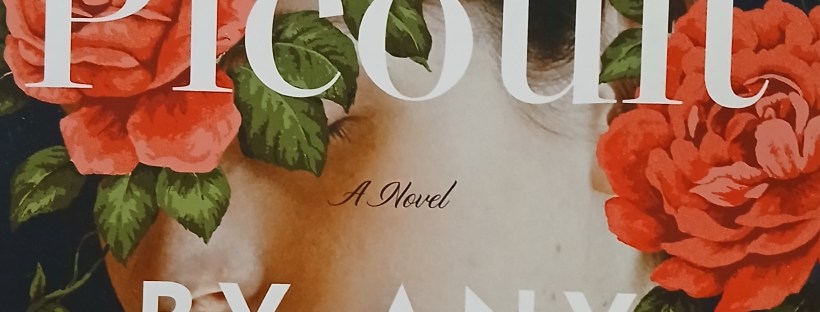
Jodi Picoult’s latest bestseller, By Any Other Name, is a historical novel which deals with a controversial literary topic – were some of Shakespeare’s plays actually written by a woman? While the idea was intriguing I wasn’t sure if a 500 page book about the Elizabethan era would interest me, but I found it fascinating and very convincing.
Publisher’s Summary: Two women, centuries apart—one of whom is the real author of Shakespeare’s plays—are forced to hide behind another name to make their voice heard.
Synopsis
In 1581, Emilia Bassano—like most young women of her day—is allowed no voice of her own. But as the Lord Chamberlain’s mistress, she has access to all theater in England, and finds a way to bring her work to the stage secretly. And yet, creating some of the world’s greatest dramatic masterpieces comes at great cost: by paying a man for the use of his name, she will write her own out of history.
In the present, playwright Melina Green has just written a new work inspired by the life of her Elizabethan ancestor Emilia Bassano. Although the challenges are different four hundred years later, the playing field is still not level for women in theater. Would Melina—like Emilia—be willing to forfeit her credit as author, just for a chance to see her work performed?
Told in intertwining narratives, this sweeping tale of ambition, courage, and desire asks what price each woman is willing to pay to see their work live on—even if it means they will be forgotten.
THE THEORY BEHIND THE BOOK:
The inspiration for the novel came from an article Jodi Picoult read in Atlantic magazine – Was Shakespeare a Woman – by Elizabeth Winkler. – an article which many distinguished scholars (mostly male tenured university professors) seemed to find deeply upsetting to the point that it was widely condemned. But it was enough to pique her interest into doing more research about Emilio Bassano, who was a real-life person living at court in Shakespeare’s time, and who in her later years published the first book of poetry by a woman in England. Documentation about women’s lives in general was scarce in that era, but the author was able about to reconstruct her fictional life from a single documented source – an extensive medical record written by a physician whom she had consulted for female ailments.
Would a full time actor and producer, who was not formally educated, have had the time and the skill to write so many flawless plays – 37 in total? Jodi Picoult says She. Does. Not. Buy. It. and outlines her reasons in the Author’s Note (ten pages at the back of the book), which summarizes what we know of Shakespeare’s life, and is well worth reading on its own.
Apparently Shakespeare had a reputation for being a bit of a jerk, not just towards his pregnant wife, Anne Hathaway, but for petty things like evading taxes, restraining orders, and being fined for hoarding grain during a famine and price gouging, according to records. There are pay stubs for his acting. There are references to other famous playwrights and poets of the time – their names appear in theatre ledgers, or they were publicly praised at the time of their death, or buried in Poets Corner at Westminster Abbey. They left behind books and manuscripts in their wills. But there is no record at all in his life that Shakespeare was an author. He left not a single shred of literary evidence upon his death, not a single manuscript, revision or book was found among his belongings, although he left an extensive will dividing up his household goods. He played no musical instruments, never spent time at Court or in the military and had no knowledge of the law. Could someone who never traveled outside of England, had no musical background, and left his daughters uneducated, have written plays that had such strong female characters, (Lady MacBeth, Juliet, Portia, Beatrice, Cleopatra etc), were set in foreign countries such as Denmark, or Italy, and contain numerous references to music. It does seem strange, given that most writers write from what they know, or if not specifically, then indirect references will often make their way into their work.
Picoult’s theory, among that of other scholars, is that many of the plays were written by a writer’s room, organized by The Earl of Oxford (nobles were not allowed to write or publish either), and that Shakespeare was an allonym used by them all. The plays we credit to a single person, were penned by multiple writers. (Sort of like a group of writers working on a weekly sitcom, which is what plays were at the time, being the chief source of entertainment). There were no copyrights, so plays were often revised and adapted multiple times and collaboration was common among playwrights – except for Shakespeare. She believes Mary Sidney Herbert (a noble woman), and Emilia Bassano were among these writers. In other words, Shakespeare was paid for the use of his name. His early documented plays seem uninspired compared to the richness of the later masterpieces. The First Folio of his work was compiled and published in 1623 a few years after his death, by two of Shakespeare’s fellow actors, but Picoult speculates in her novel that playwrights of the time might have tried to correct this misconception that he was the sole author. Because by then it probably irked them that he had become famous.
Emilia Bassano was from a Jewish family (think Shylock – Merchant of Venice) of court musicians, (if music be the food of love, play on, Twelfth Night), highly educated by a countess, which was unusual for a girl at the time, and as a mistress to the much older Lord Chamberlain, a man who oversaw all theatre productions in England, had access to court literary circles. She was also Italian, (there are numerous plays set in Italy) and the man she was a ward to as a child, travelled as a diplomat to the court of Denmark, (Hamlet) where he met two noblemen, Rosencrantz and Guildenstern. There are just too many coincidences and things that Shakespeare would not have had knowledge of. Picoult credits about 10 or 12 of the plays to Emilia, the ones with strong females, Italian settings and musical references – A Midsummer Night’s Dream, The Merchant of Venice, Romeo and Juliet, The Taming of the Shrew etc.
WHAT I LIKED ABOUT THE BOOK:
I loved how the author wove famous words from the plays into the dialogue. If you want to see how the events of Emilia’s life, might have inspired the writing of the plays, there are 20 pages of Shakespearean references and their corresponding page numbers at the back of the book. It was fun to see how many I could catch. I did okay considering I was not an English major, other than 3 years of Shakespeare in high school – Merchant of Venice (grade 9), Romeo and Juliet (grade 10 – the year the first movie came out with the cute Romeo), MacBeth (grade 11, where I played a witch with my cousin, and another girl). In fact, my entire acting career consists of being one of the three witches in MacBeth (Double, double, toil and trouble, fire burn and cauldron bubble…). We were to recite or enact a scene from Shakespeare and there was safety in numbers. Back then it was difficult to find black nail polish, but the witch costume was easy, courtesy of Halloween. The cauldron was a big pot covered with black crepe paper. I wonder if kids today even take Shakespeare in high school anymore? Many of the references in the book were common ones, but I will never hear, “Shall I compare thee to a summer’s day,” again without thinking of her preparing her ten month old daughter Odyllia (Ophelia) for burial. I had always thought it to be a romantic sonnet.
Speaking of romantic love, the one thing I did not care for in the book were the love scenes between Emilia and her true love, The Earl of Southampton. In the authors interview Picoult says Emilia lived such a miserable life, that she decided to give her some joy, so she created this fictional love affair with a real-life earl, based on one obscure reference to their meeting in a courtroom. There’s nothing wrong with a bit of romance, but how many times can two people crash together, on a bed of pine needles, in a public park no less, with her skirts billowing around them, before it just becomes laughable. She says it’s her steamiest book yet, and I’ve noticed this in her last few books, that she is trying to write romance (she says in the authors interview that Romantasy sells), but it is not her forte. There were too many such scenes, and the book is already long at 500 pages, as she was trying to show the whole scope of Emilia’s life. Admittingly it must be difficult to write love scenes, but I found it cheapened the writing and distracted from the story – a bit of allusion would have been better. I suspect that is the problem with editing a famous author – who is going to tell them when it doesn’t work. The book will sell regardless – this is her 29th novel. I don’t read romance novels, but the trend now seems to be to make novels span as many genres as possible, historical novel/romance/mystery in order to widen the readership appeal. The most interesting thing about this fictional love story was the addendum to the author’s notes. After the book was finished, she was in London on business, and paid a visit to the curators at the Victoria and Albert Museum to see the only known miniature portrait of Emilia Bassano, painted around 1590, and beside it was a portrait of the Earl of Southampton plus a hidden clue that the romance might actually have existed in real life. She was thrilled and wrote that it was like the fates were conspiring to make their story love told four hundred years later.
I read some historical fiction, but had never read anything about this particular time period, 1581-1620 so I found the history part interesting. The plague was raging in London at the time, (Shakespeare’s son Hamnet died of the plague) and childhood mortality rates were high. Marriages were often abusive, as women were considered property and had no voice or money of their own. She said she was so immersed in her research that she had to write the two stories separately and then alternate the chapters later, a different technique for her, as it was just too difficult to switch back and forth between the eras.
I enjoyed the modern-day story, about Melina Green, a young female playwright trying to get a play accepted, when most theatre producers are male, which mirrors Jodi Picoult’s own struggles. Picoult branched into musical theatre in 2020 and her daughter has had a play produced, so she’s writing from her own experiences with the theatre world. She discusses this in a one-hour long interview which I watched on Wordsmith and Wonders, a series of virtual author talks on public library websites. Hers was their 100th interview, and I found it fascinating as well, especially with respect to women in the publishing industry and the topic of AI. (She mentions ongoing litigation over the use of author’s books without their authorization or compensation, in order to build AI databases.) I found the whole interview interesting, so if you don’t want to read the book, search for the interview. You may have to be signed onto your local library website to view it though, so I won’t share the link here. There was also access to previous interviews, and I bookmarked some of my favourite authors for future viewing, as well as general topics. As a frequent library patron, I don’t know why this site isn’t advertised more.
All’s well that ends well, so to end with, the book had the BEST ending ever, really well done. She did a brilliant job connecting the two stories, 400 years apart. I love a book with a satisfying ending. I would rate the book 4 stars (would have been 5 except for the steamy scenes) and although it is historical fiction, she certainly spins a compelling tale that makes you think differently about Shakespeare.
PS. Elizabeth Winkler has expanded her Atlantic article into a new book, Was Shakespeare A Woman and Other Heresies, which Picoult highly recommends, and which also deals with the thornier issue of historical truth. Jodi Picoult says she is used to getting hate mail, as her topics are usually controversial, but I can sympathize with her frustration with academics who vilify her but refuse to read her book. I can understand tenured professors getting upset, their whole livelihood is dependent on the myth of the one-man wonder, but surprisingly I have had similar unwelcome responses from a few people I have mentioned the novel to. One, whom I consider a die hard feminist, remarked that she liked her Shakespeare to be a man, thank you very much, and the other simply wouldn’t even entertain the theory, just flat out said no, that is not possible. Why do people get so upset at the thought of anyone tampering with their Shakespeare, let alone that some of the plays could have been written by a woman? Because it requires us to re-evaluate everything we have been taught. I find as we grow older, it’s best to try and keep an open mind.
portrait of Emilia Bassano
‘Let husbands know, their wives have sense like them.’ Emilia, Othello
July 3 – Edited to Add – I have since read Elizabeth Winkler’s non-fiction book, and found it absolutely fascinating. If you are interested in the alternative theories of who was Shakespeare, I highly recommend it. Interestingly, she only devotes a few pages to Emilia Bassano, most likely because little is known about her. She reviews the other possibilities, Frances Bacon, Christopher Marlowe, Mary Sidney, etc. in great depth, but the one who stood out the most to me was Edward de Vere, the Earl of Oxford, as being the main playwright as well as the organizing force behind the group. Everything about him just seems to fit. This is a very detailed analysis coming from a well-respected journalist. She interviewed (or tried to) many Shakespearean scholars, on all sides, but was frequently stonewalled by those who refused to allow any shred of doubt to enter their world. I suspect we’ll never really know the truth, unless some secret stash of documents is uncovered, (highly unlikely after 400 years) but I would like to think that if some doubt existed as to the authorship of say Jane Austen’s manuscripts for example, that literary scholars would keep an open mind and want to get at the truth, instead of bury it. Note the sub-title – How Doubting the Bard Became the Biggest Taboo in Literature. It might be a case of many scholars are secretly in doubt but are afraid to come out and say so, as to do so would be career suicide. That seems to be the curse of our time. But what’s the big deal? The world was thought to be flat for centuries…… (5 stars)
I’ve always wanted to own a bookstore and host a literary salon at night for all my witty and talented friends. A literary salon is different from a book club, as people can just drop in, like a cocktail party. In Paris in the Roaring Twenties salons were frequented by intellectuals, writers, artists and the celebrities du jour (Hemingway, Picasso, Fitzgerald & Co), with the sole purpose of providing stimulating conversation, amusing repartee and a lively exchanges of ideas…..plus free booze. With a book club, you can have all of those too, but you are there to focus on the book…..hopefully.
My experience with book clubs has been poor. Attempting to infiltrate a library book club proved a disaster as the tightly-knit group had been together for over a decade and there always seemed to one or two members who squashed any opinion which didn’t agree with theirs, or worse monopolized the discussion. The group was so large (18-25), as to be unwieldy, with some (myself included), being too intimidated to speak up, despite the best efforts of the moderator to make sure everyone had a say. The structure was rigid, with a list of questions to cover in a set period of time. Also, there was no food, or even coffee and it was late afternoon, which tended to interfere with my nap time. I then thought of hosting my own more informal book club evenings with a smaller group of literary friends, perhaps once a season with food, like Southern cooking for The Help….pass the pecan pie please. A group of local women self-published a book about their book club theme nights, complete with menus and lots of bevies, but they were rich and prone to extravagant weekend getaways, plus the hostess had to buy everyone a copy of the next book.
What is the difference between a book club and a famous literary salon like the ones Hemingway attended, other than better food and more chic clothing?
Hard to imagine Hemingway at a book club. Do men do book clubs – possibly in big cities, but not in my neck of the woods. Only in the movies, like The Jane Austen Book Club, where they may have an ulterior motive ie. a crush on one of the members. But they might be tempted to drop in on a literary salon if alcohol was provided. Most afternoon book clubs tend to be female affairs with tea in china cups and fancy sandwiches and cookies, or evening wine and cheese and gossip….but first we must discuss the book with a list of questions to cover. Literary salons tend to be more free ranging affairs with small groups of individuals, male and female, congregating and discussions covering any number of topics…..and of course gossip! It would be nice to combine the best of both worlds, good conversation, good food and drink and a relaxed atmosphere (one where you can hang out in your PJ’s). Of course, if you are hosting a literary salon, having a Paris address helps, but since WordPress is our blogging home, that will have to suffice.
So starting in January, I would like to present my new virtual Literary Salon. We will open with the murder mystery, An Unwanted Guest, by ShariLapena (see link). It’s the perfect book for a blizzard, so button up your overcoat, you don’t want to get chilled. Please feel free to drop by anytime…..
Postscript – Bring Your Own Beverage – a Bloody Mary might be suitable for our first selection.
Autumn is very late this year – the trees are just starting their annual decorating. I remember gazing out at this tree when I was in grade eight, as my desk was close to the window. While the teacher would be droning on about some uninteresting subject, I would be rejoicing in the glorious fall colors. We used to play soccer in the field after school, kicking the ball around under a canopy of orange and gold. It is still standing, although the other trees are gone, made way for a parking lot. I still get the pleasure of looking at it when I walk, I think of it as my tree, even though we are both a bit the worse for wear after forty plus years.
Chestnut trees are also a fall favorite of mine. My grandmother’s farm had chestnut trees in one of the fields and every Thanksgiving (Canadian, so mid-October), my little brother and I, brave but ready to run at the first sign of a big dumb cow, would gather them up and then use them to build fields for his barn set – what fun we had lining them up as fences for his toy animals. As a young girl who was horse-crazy, their glossy finish always reminded me of a chestnut mare or the sleek racehorses we would see at the fall fair. We have two giant chestnut trees in front of our library so when you go inside to pick up your books, you’d better beware lest you be boinked on the head by a falling chestnut. Last year one of the librarians displayed a chestnut wreath she had made on the checkout desk. She emailed me the instructions, but I was too late, so this year I was prepared and gathered up several baskets after the first windstorm.
First I shellacked them with a coat of acrylic varnish to maintain the shine, as they will dry out quickly. I raided my mothers art cupboard and used a spray can, which was quick and easy but you might get a more even application by painting it on. I did this a few days ahead of time to let it dry.
Next I took a ten inch straw wreath, (but any size would do, I started small to experiment, but hers was quite large and impressive), and wrapped it tightly with some nice decorating tape. Make sure any loose ends are secured with straight pins, as you don’t want it unraveling after the glue is on.
Then using the trusty old glue gun, attach the chestnuts in any pattern you wish. I mustadmit my first attempt was not perfect, as I have too much spacing between some of them. When collecting it is better to find chestnuts of different sizes and some with flat bottoms for odd spaces. The librarian had filled in the holes in between with Spanish moss, but after googling I found others have used small acorns to fill up the spaces. I prefer mine having the pretty decorating tape showing through.
It could be hung up with wire, but is fairly heavy so a table wreath with a candle in the middle is a nice option. I decided to place mine on a wicker tray and added some bows in the corner and some fairy lights.
You could use this for a centerpiece for American Thanksgiving, and then swap out the bows for something Christmasy. These are not the kinds of chestnuts you roast on an open fire however, as these are horse chestnuts, which are toxic to humans and animals. (The difference is in the shells, smoother vs spikier and the point).
horse chestnuts
Total cost – around $10 – $4 for the straw wreath, $4 for the ribbon (with Michael’s coupon), glue sticks, chestnuts free for the taking. All told it took me less than two hours to make, so this would be a nice idea for hosting a tea/craft afternoon.
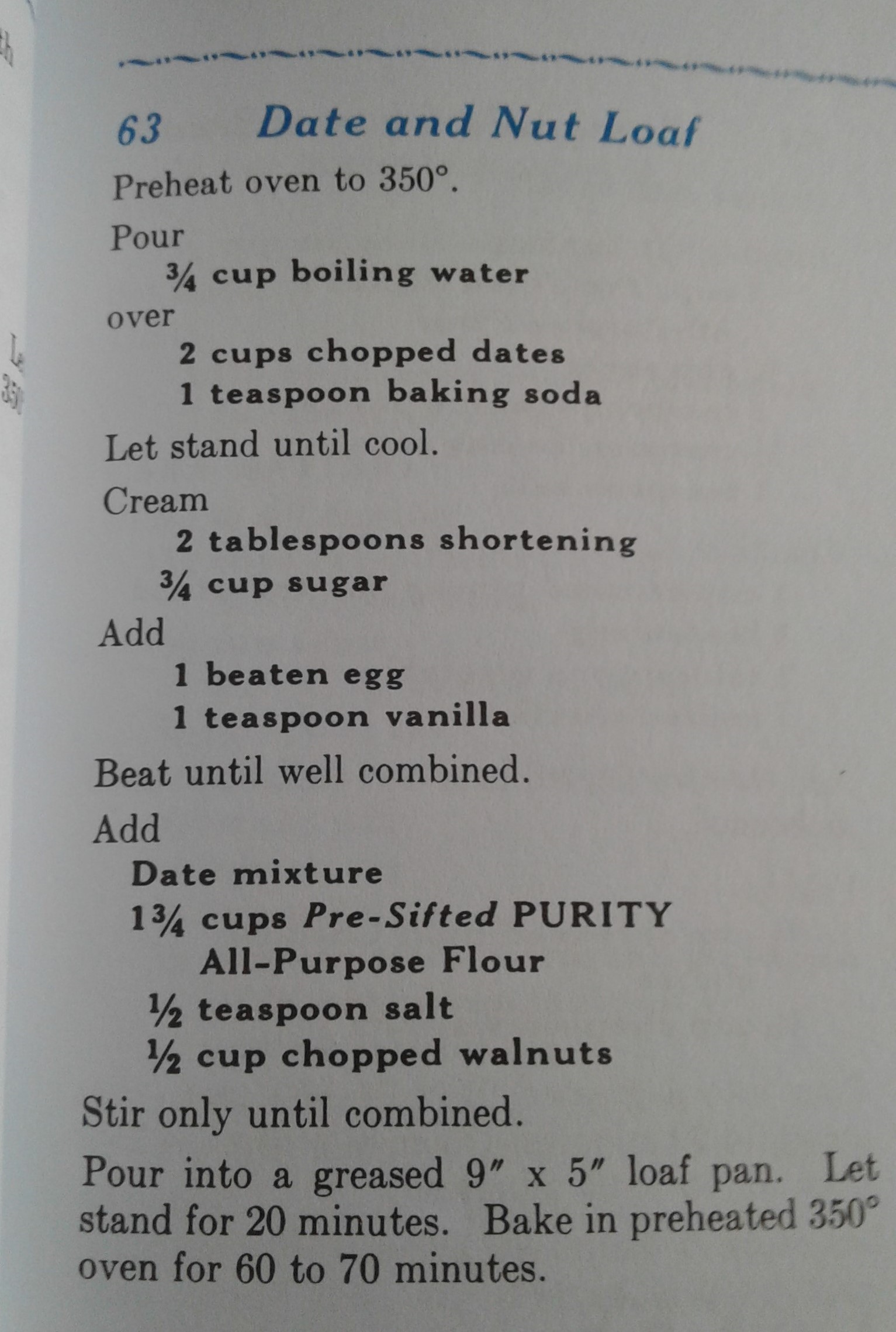
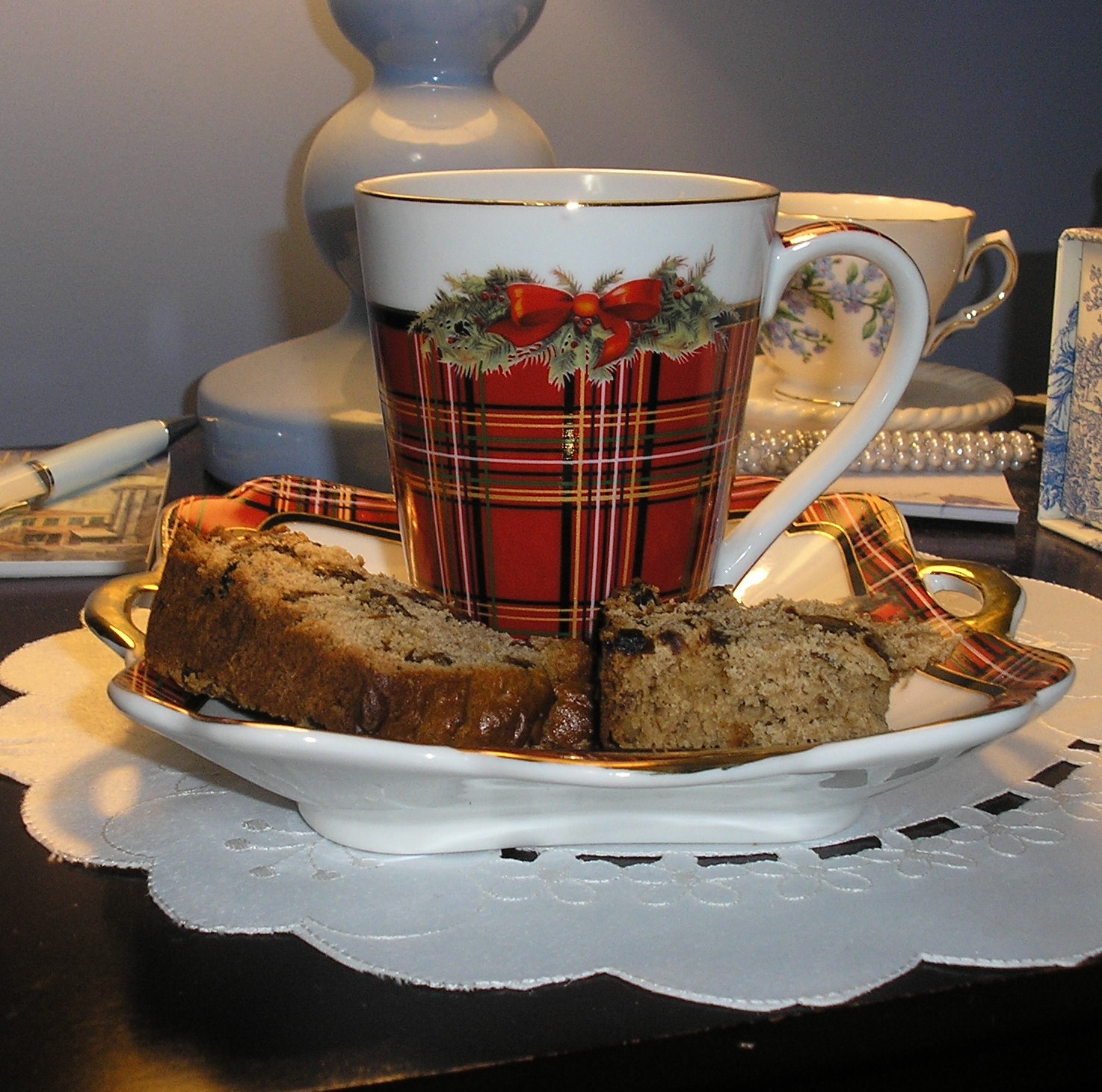
Since the weather is cooler now and more conductive to baking, I made Date Nut Loaf, using the recipe from my farm cooking bible.
This is a quick and nutritious tea bread – buy the bite sized dates to save time.
Date nut loaf
If you are interested in more fall decorating on the cheap, check out last years (unpublished) blog, Autumn Decor, for some dollar store finds.
Book of the Day:
For more decorating ideas and recipes, see the Susan Branch book – Autumn from the Heart of the Home (published in 2004), for typical New England (Martha’s Vineyard) fare, or check out her website and sign up for her free monthly newsletters….they are always a cheerful read.
As a big fan of anything Susan Branch, this book one of my favorites. I re-read it every year to get in the mood for the season, for the inspiration, the decorating tips and the yummy recipes. Let the leaves fall….it’s time to get cozy.
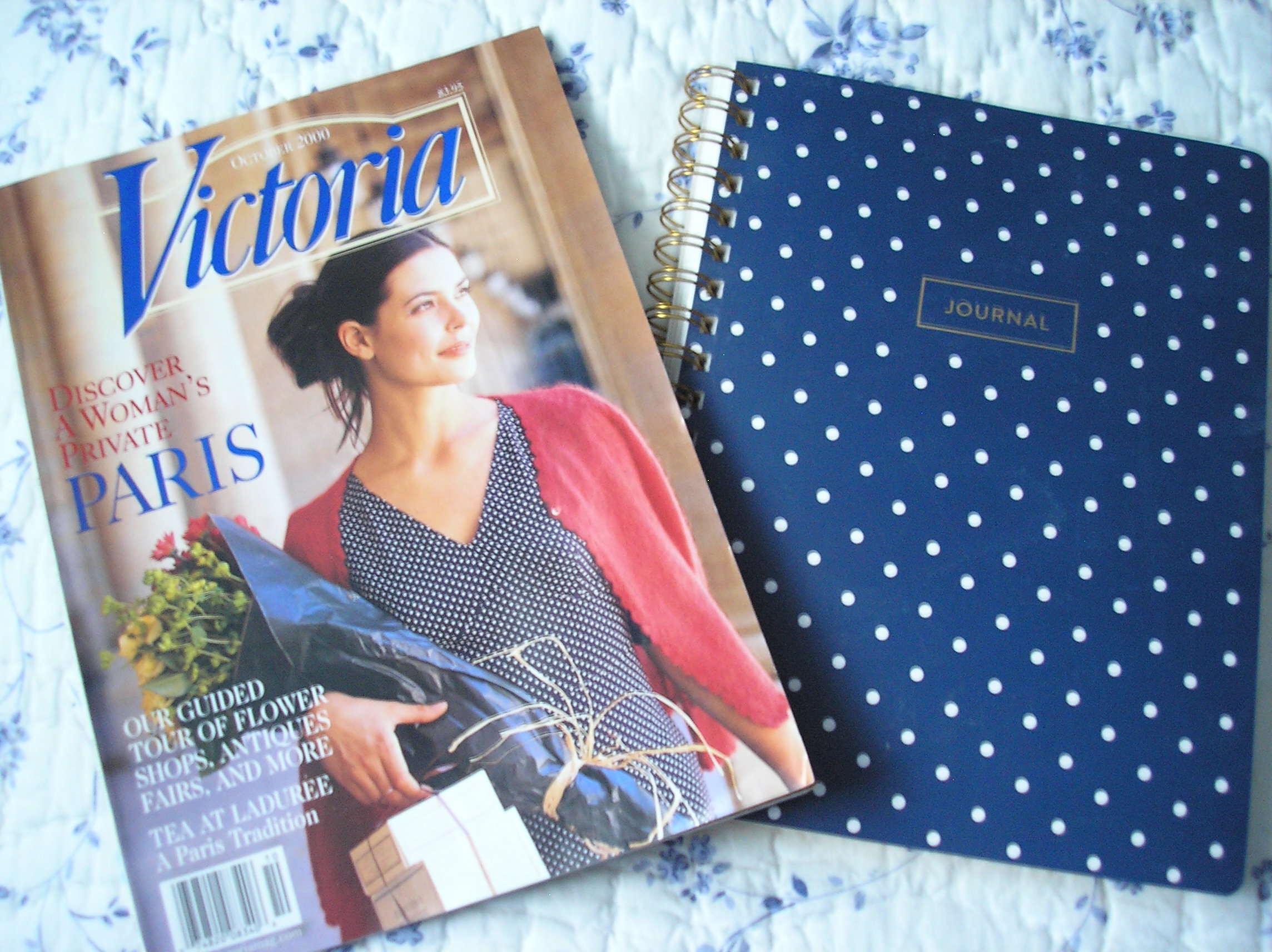
We cannot always have Paris, but we can all have a touch of Paris in our homes. I was surprised when I looked around my humble maison, (which more resembles a B&B), how much of a French influence I have in my surroundings, but they are small touches, understated, like the French themselves, where less is more. The French way of life is one of order, elegance, proper routine and a good dose of perfectionism – of course this might just be a myth perpetuated by smug French women! (The Victoria magazine cover Oct 2000 is just so French – I collect the back issues and the annual French edition is always inspiring. This years French edition is in May/June).
Victoria – May/June 2018 French Edition
A favorite flea market sign from Winners, in my front hallway. (Note B&B wallpaper as I have not finished renovating the house yet, although the outside is done, but I don’t mind the wallpaper so it may have to stay).
My first and only attempt at stenciling hangs in the dining room, (don’t look too close, you really have to glue those stencils on well).
Who doesn’t love lavender. I have lavender everywhere, in bowls, sachets, vases, soap….
Paris hatboxes and journals….
Paris Journals
A special Renoir journal for jotting down blog ideas.
The Paris Journal
A silk scarf a friend brought me back from Paris many years ago, in my favorite color blue.
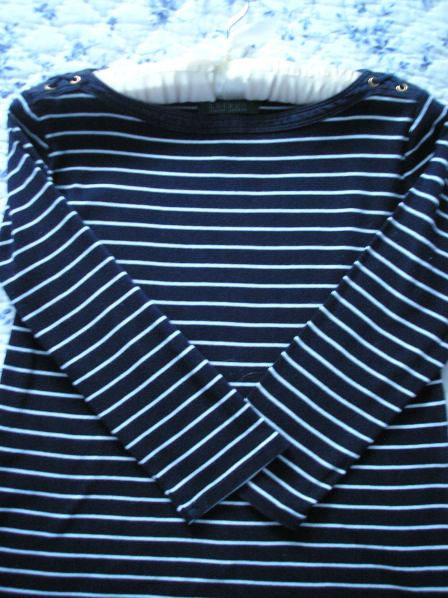
And of course no aspiring Parisian would be complete without a navy striped boat neck sweater, (and some red lipstick).
HappyHauteHome, (check out her elegant blog on the modern French country home) posted about a French provincial home for sale, which looks like my dream house, but until I win the lottery, I will just have to be content with my petite accents. To be French is an attitude, a state of mind, oui?
What blog would be complete without une recommandation de livre.
The French way of life is a call to pay attention, an appreciation of all matters large and small, including food, which is to be savored without guilt or worry. I can smell those fresh baguettes already. French Women Don’t Get Fat.
An enjoyable read, this book certainly provided a different way of looking at eating, for pleasure and without guilt about calories or cholesterol. I think I’ll go for a long walk to the boulangerie….like the French do!
After reading so much about their chocolat chaud, I decided to try making my own. I added four squares of Baker’s semi-sweet chocolate (but any good dark chocolate would do), to a bit of water and microwaved it well until it melted into a nice chocolatey gooey mess, then a few teaspoons of sugar and the milk, and microwaved it again until hot. Um….like drinking a chocolate bar. Maybe best to add only add two squares……
My only venture into French cooking was a failed attempt at beef bourguignon which I ruined by using a cheap red burgundy, despite the advice of the LCBO clerk that I should trade up to a better vintage. She was adamant, I did not listen. I hadn’t shopped at the liquor store for years (other than an annual trek at Christmas to buy rum for the pudding), and was horrified by the wine prices, when I only needed a cup and a half? The best that could be said for it was that it was edible….if you were very hungry and very poor like Hemingway in his early days.
One day while shopping at a very expensive bakery ($55 for a birthday cake – let them eat Betty Crocker!), I spied a lovely tray of pastel macarons, and even though they were $2.50 per cookie I decided to splurge – totally tasteless. If this is what Proust was going on about with his French madeleines, I think I’ll pass. The best part of the cookie by far was the turquoise color. It’s good to try new things sometimes, if only to find out what you don’t like. I do like crepes though, my favorite tea shop used to offer an excellent chicken and mushroom crepe until they closed due to a rent increase. On my farewell visit I asked the owner for the recipe, and she said just make a basic roux, so I did, but my roux was thick and pasty from too much floor. Julia Child I am not, so I will need to try again as I do miss the tea shop. We have no need to fear the cream filled calories of France however, as gardening season will soon be here and now that spring has sprung, we can walk it off. Next week we will be in Italy, along the coast, bring sunscreen. Until then enjoy the spring flowers.
Tick tock, it’s three o’clock…..do you know where your mind is? It’s not asleep, and you’re tired of sheep…..
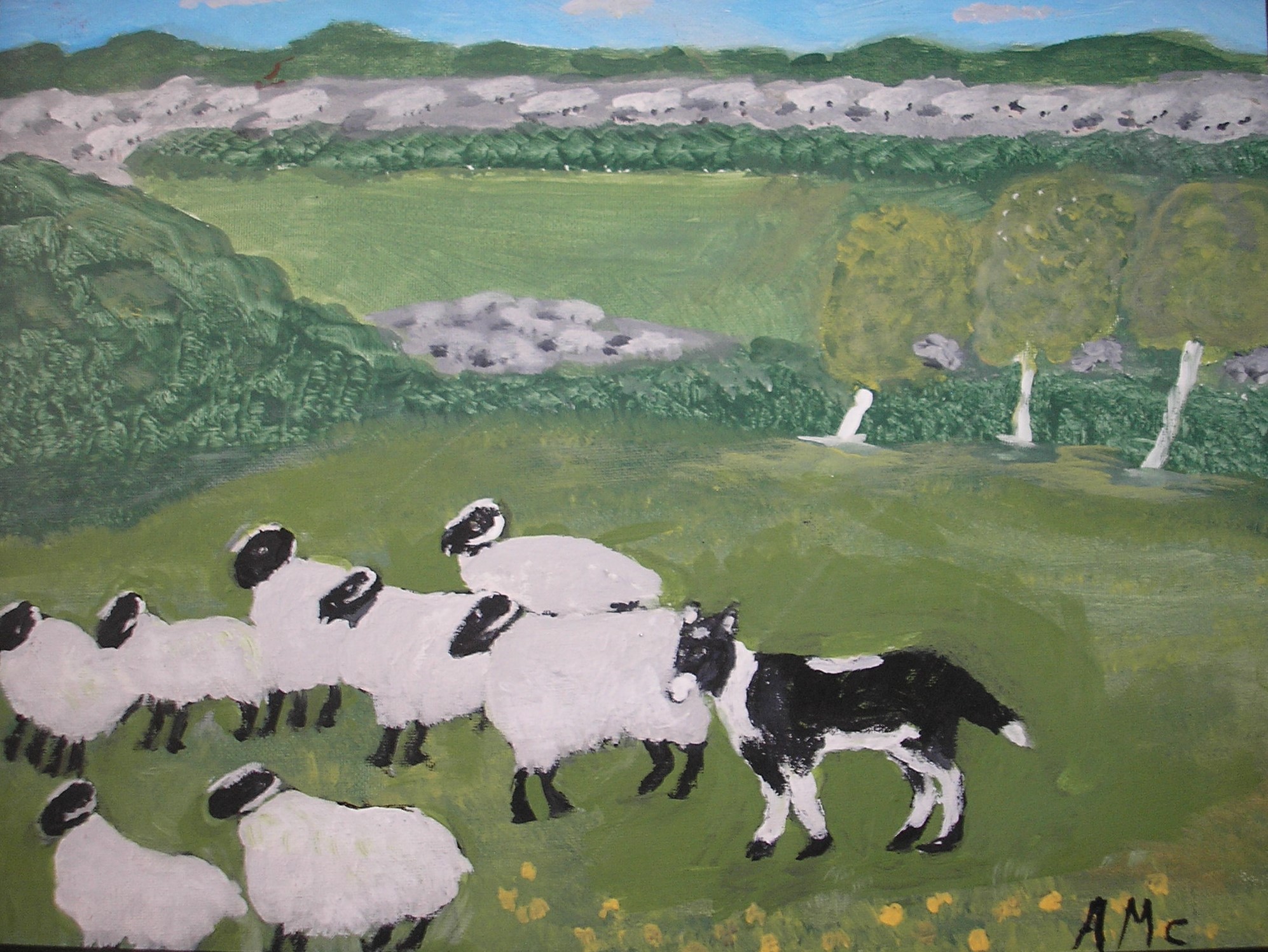
The Sheep Dog – 2017
Anyone who has ever encountered the insomnia monster at some point in their stress-filled lives please raise their weary heads. You know those dark nights of the soul where all the angst in your little corner of the world converges on your poor befuddled brain in an agony of what-ifs, and you even start to worry about worrying.
Worry Journal
After a few nights of this nonsense, you’re waaaaay overtired, much too tired to sleep and then you start to worry about never ever sleeping again, and how are you going to function the next day on two hours sleep when it’s already three o’clock and all you’ve done is toss and turn for hours, and it’s already starting to get light just as you nod off and the alarm clock shrieks from across the room, and you rise feeling like something the cat dragged in. Whoever invented daylight savings time should be fired. It’s bad enough that it’s getting light earlier in the morning, and the returning birds are twittering up a storm because they’re all excited about spring, and I’m excited too but I just don’t want to spring forward. As a former shift-worker, I’m not the best sleeper anyway. My circadian rhythm has been irreversibly damaged by years of flipping between days and evenings, but that lost extra hour seems to throw my delicate system all out of balance. Like many people I sleep better in the winter, when we can all hibernate like the bears in their caves which are warm and dark, no black out curtains needed. Now that I’m retired sleep isn’t as crucial as it used to be, as I don’t have to get up in the morning, or if I do I don’t have to be as alert as when I was working, but the world does not function on a 2-10 am sleep schedule. The world is full of morning people. I used to be one of them. So it was with great interest that I read The Sleep Solution by W.Chris Winter. What would a blog be without a good book, so here’s some bibliotherapy for insomniacs.
This is a good read for anyone who struggles with insomnia or shift work. The author is a neurologist and sleep specialist physician. Not sure that I learned anything new, other than we sleep more than we think we do, even during the worst night of insomnia, because sleep is an inborn instinct, which is nice to know when you are trying to muddle through the next day. Nobody dies from lack of sleep, (unless I suppose you are in a car accident), and you always do manage to get through the day. It was an interesting perspective, and certainly lessens the worry associated with getting to sleep, which can be a vicious cycle. It’s a bit scientific but written in a humorous style which makes a dry subject entertaining ie it did not put me to sleep…..although I might have had a short nap on the swing…
The key advice I got out of this book is, a) your body craves sleep, it is a basic human drive, so we do sleep more than we think we do even on a night when we swear we didn’t sleep a wink, and b) we always function the next day. This is a simple concept, but somehow reassuring, and helps to break the worry cycle which is the worst part of insomnia, the worrying about not sleeping. Take the worry away, and you can sleep like a baby, well not quite, but it’s a refreshing idea. Of course, the book delves into the usual sleep hygiene routines, exercise, limiting caffeine, nothing new there, as well as chapters on sleep apnea, shift work etc. The author says no one ever died from insomnia, but that’s where I disagree. Studies show that accident rates are always higher in the week after the daylight savings shift, as are heart attacks. They have also shown a link between insomnia and obesity, diabetes, dementia, addiction and cancer. The WHO has now labelled shift work as a probable human carcinogen. Lack of sleep decreases natural killer cell levels by 75% according to some reports. (It’s enough to make you get that worry journal out!) Unfortunately, we have become a sleep-deprived society.
Meditation can be a useful tool to promote sleep. I once took a six week meditation class and while I did not have any luck meditating (lack of practice), a more experienced classmate told me she could nod off after five minutes. I was impressed, but she had been meditating for years. What did work for me was a meditation tape. The best part of the class was the melodious voice of the instructor, so I bought her CD, and listen to the insomnia meditation (13 minutes), if I’m having trouble winding down. Or if I wake up too early (those pesky birds), I will put it on again with my ear buds, and get a couple more hours of deep restful sleep. (Why is the most restful sleep always towards dawn?) The tape is almost like a form of hypnosis, her soporific voice counting to ten and then back down again is so relaxing, and there is music in the background, so it’s like a lullaby for grownups. One day in class she suggested we chose a special song so our bodies would learn to associate that song with relaxation. She played, Shenandoah by James Galway, and I left feeling like a jellyfish. I never listen to that song in the car however, driving while a jellyfish would not be a good idea.
Speaking of music, the song Count Your Blessings from White Christmas, is a lovely visual aid to falling asleep, when you’re tired of those stupid sheep…..seriously, has counting sheep ever worked for anyone? (I apologize for the Bing Crosby again but I grew up on his music). Old Bing just might have been the inspiration for those gratitude journals which were all the rage. I tried a gratitude journal once but found it only made me worry about losing my blessings, but it may work for some (more optimistic) people.
If you struggle with insomnia it’s good to have a bedtime routine, so your body knows it’s time for sleep. A cup of tea and a snack is a relaxing way to unwind.
TV and electronic devices can be overstimulating, so turn them off an hour before bed, especially those bright blue light cell phones, which I’m sure will some day be found to cause eye damage. Low lighting is restful. Reading is good, unless it’s a suspense novel you can’t put it down. I jot down a few lines in my five year diary as a summary of the day. Reading a few pages of an inspirational book can also be a reflective way to end the day.
There’s something about the smell of lavender that is so calming. Spraying the room with lavender pillow spray can become a sleep routine association and this can work well if you travel and are staying in hotels rooms with stale air.
Lavender Pillow Spray
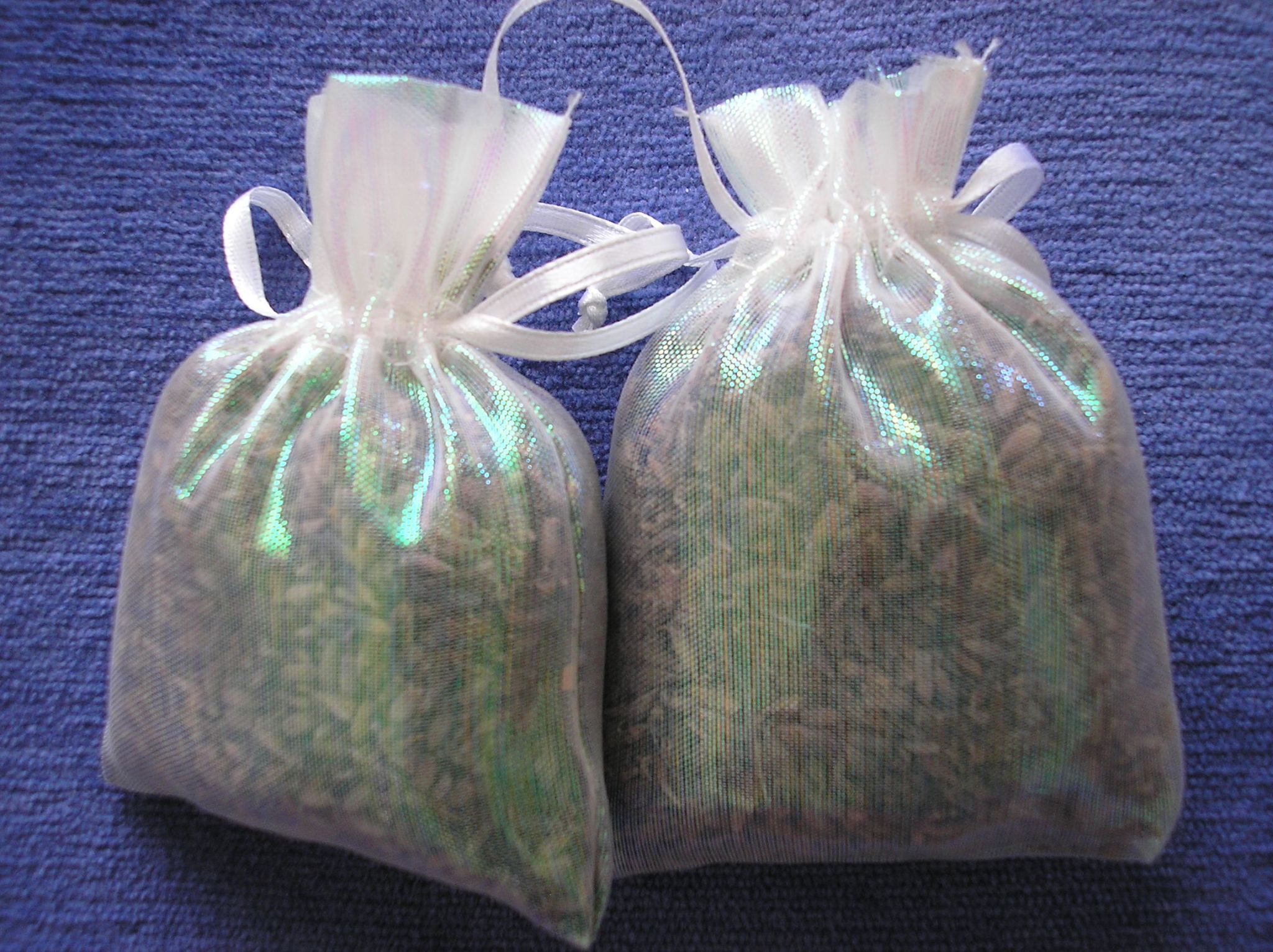
A more portable option is putting a lavender sachet under the pillow for sweet dreams.
Lavender sachets
Lavender also reminds me of France, a country that has an appreciation for all things lovely, and that is known for taking long lunches mid-day, with plenty of expresso after you are fed and rested. Try and get lots of sleep, because we’ll be spending April in Paris. Unfortunately, jet lag is a whole other story….
Quote of the Day:
“Sleep that knits up the ravelled sleave of care
The death of each day’s life, sore labor’s bath
Balm of hurt minds, great nature’s second course,
Chief nourisher in life’s feast.”
(William Shakespeare, Macbeth)
What are your secrets for getting to sleep on those dark nights of the soul?














 thehomeplaceweb