
By this time of year many of us are experiencing Cabin Fever – loosely defined as “irritability, listlessness, and boredom from long confinement or isolation indoors.” That feeling of being trapped is generally caused by snowstorms when you can’t go out even if you wanted to – those severe blizzards where they’re telling people to stay home, off the roads and wait for the snowplows to do their thing – but it’s been made even worse this year by the pandemic lockdowns.
Although we may be stuck inside, we have all the comforts of home – a warm dwelling, good food and plenty of entertainment available. It’s even possible to ignore things altogether if you don’t look outside, especially if you have a cozy fire to sit beside, a hot beverage and a good book or movie. Winter can be very hygge.
While I would normally appreciate these quiet January days after the hustle and bustle of the Christmas season, lots of time to read and write and putter about pretending to reorganize, this year when we’ve been cooped up inside so much already, it seems downright claustrophobic. So let’s call it pandemic fever instead. In fact the term cabin fever had an early association with typhoid fever and quarantine.
As the term originated with the pioneers who spent long winters by themselves, when severe weather and long distances from neighbors were truly isolating, let’s take a look at how people coped with cabin fever way back when there were cabins.

I often wondered how my ancestors survived their first winter here. They came from Ireland in 1846 during the potato famine, three brothers and their families, and after jumping ship in the St. Lawrence to evade the cholera epidemic, arrived in Toronto, starving and penniless. They had to borrow one pound from the Immigrant Land Agent (National Archives Document Oct 16 1846) to pay for water transport to the area where they would settle. The land was all wilderness then, and arriving so late in the year, they would never have survived the first winter were it not for the help of the Indians and a neighbor who helped them build a hut dwelling and showed them how to hunt for game. (Most likely they ate a lot of venison stew). They were unprepared for the cold and the snow as the posters advertising Upper Canada boasted about its abundant game (true) and tropical climate (well maybe in the summer). Did they even have any warm clothing? My great-grandfather, who had stayed behind to go to school, arrived later wearing a straw hat. They would gladly have returned to the misery of Ireland in those early years.
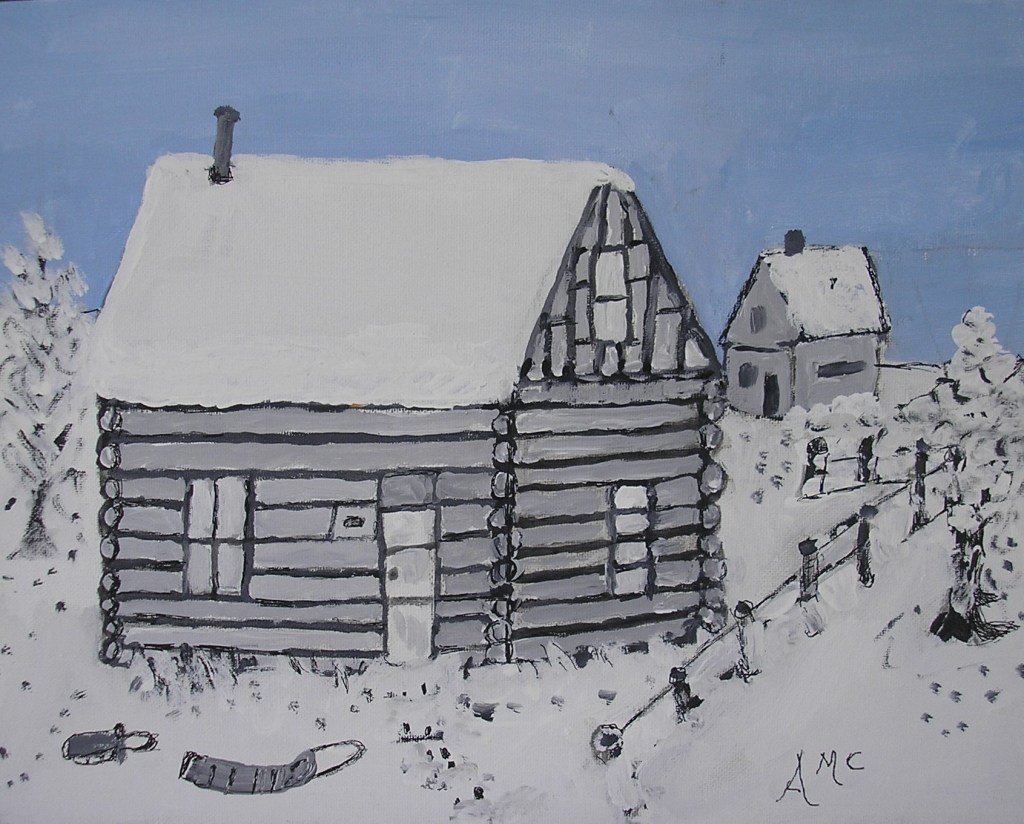
Their first homestead was on swampland and the water was bad, so eventually they moved to a different site a few miles down the road, where they build a log cabin, similar to this one I blogged about in my Pioneer Village post.

This cabin dates from 1870, and is fairly large, with room for a farmhouse table and a sleeping loft above.


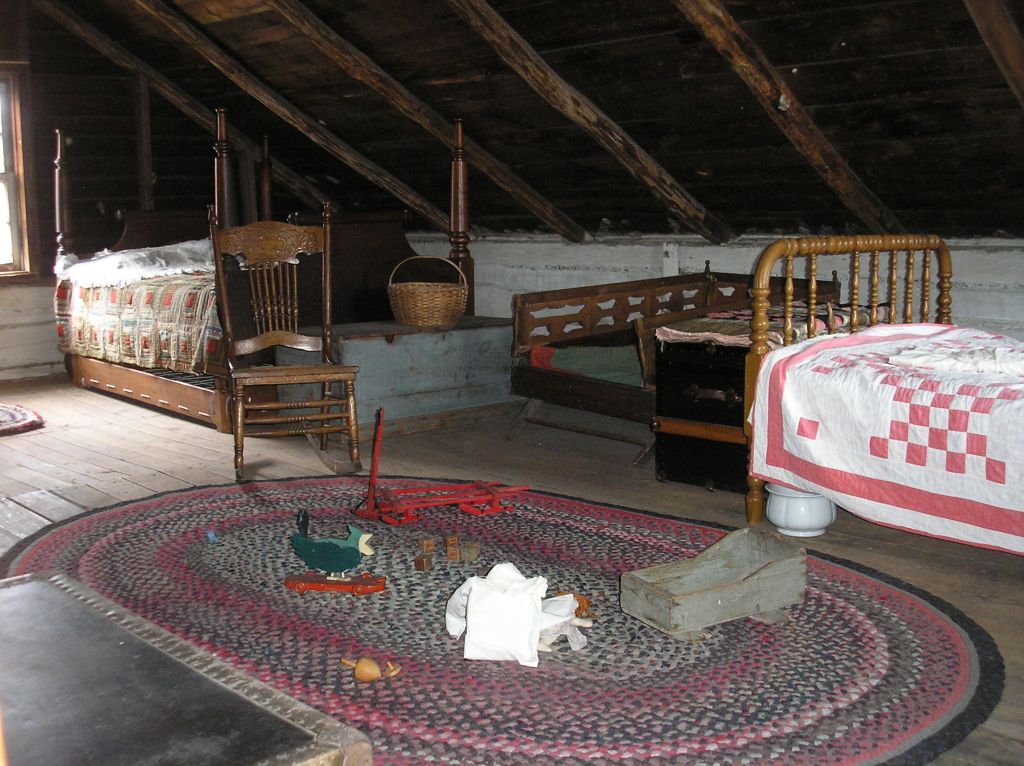
Another cabin on the site of the local Heritage Museum is much smaller, and housed just two people, a widow and her young son.

It was constructed in 1857 of lumber rather than logs, as there was a sawmill nearby – the interior is pine. With only two rooms, this typical first home was built quickly, as more effort went to clearing the land and planting crops.

While small in size, it was snug and warm with the long stove pipe circulating the heat across the house. There was an additional sleeping space in the attic over the kitchen.

The rope bed was covered with a straw or feather mattress.

While the quilt is nice, it does make me grateful for my comfy bed, with its deep mattress, soft sheets and down comforter, and there’s certainly not much counter space in that kitchen!
Now the local heritage museum is fund-raising to restore another log cabin.

This one has an interesting and well-traveled history. Originally built in 1840 in the Goderich area, it was disassembled in the 1930’s and floated down Lake Huron to a lakefront property where it was used as a summer cottage. In the 1970’s it was donated and moved to it’s current site in a local park where it was used for community events such as Christmas in the Park, until it fell into such a state of disrepair that it was deemed unsafe and they decided to tear it down and build a replica. A great hue and cry ensued from the public and the local historical society, so they relented and at a cost of $50,000 are paying to have it relocated to the museum site for future restoration. I know, it seems a lot of money to spend on a derelict old building but they waste money on other things, and how many 180 year old log cabins are left? This will be it’s third move, but just look at that solid construction.

No chilly drafts would come through those thick walls, but they do need to do something about the broken windows.
I’ve been feeling bad about my house lately. My renos remain undone, dust bunnies abound and I don’t seem to have the energy to give it a good cleaning. My cleanliness standards have slipped considerably since no one is seeing it but me. Hopefully in March I’ll be motivated to give it a good spring cleaning.
But after a look at these humble abodes, I’m appreciating my own home and hearth more, and feeling better about cabin fever. We have so many more creature comforts today and all the modern conveniences. Maybe it really is all about perspective.
With no internet or Netflix to occupy themselves with what did they do for entertainment back then? Being Irish, I’m sure there was music – the fiddle – and story telling often took the place of books, and I hope there was comfort food too – warm bread and apple pies and taffy treats.
So perhaps some things haven’t changed – after today’s dose of wintry weather it’s time for some beef stew.

PS. While researching this, I came across two books, The Lost Diaries of Susanna Moodie by Cecily Ross, a fictionalized historical novel based on the life of Susanna Moodie, a genteel English writer who immigrated to Canada in 1832. Moodie wrote about her experiences in the Canadian wilderness and subsequently published her memoirs as Roughing It In The Bush and Life in the Backwoods. I enjoyed the fictionalized book more, as it was rich in historical detail, although the first half in England was not as interesting. Both books depict a harsh life with many hardships and little in the way of fun or luxuries, a sobering look at the reality of pioneer life for many women.
(1128 words)
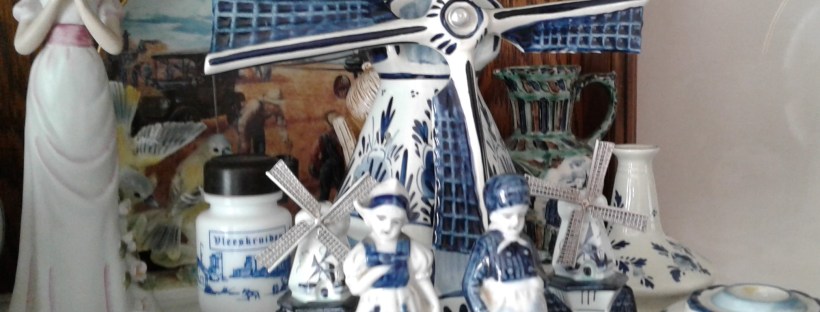
 It’s a sad fact of modern life that when you receive an inheritance letter in the mail, you automatically assume it’s a scam and throw it away – especially if it’s from someone who promises that if you will only oblige and send your bank account information the money will soon be on it’s way. But as it turns out not all inheritance letters are scams.
 My grandparents were married the week before Christmas and left on a boat to New York, arriving in Ellis Island on New Year’s Day 1922. According to the Ellis Island archives, they traveled with two other couples, one of which was my grandfather’s sister and her husband. Two of his other sisters and their spouses were already here in Canada, a country where things were supposed to be more prosperous, especially after WW1. My grandmother had grown up on a small farm and my grandfather worked on the boats on the canals, but there wasn’t much farm land available or work to be had, after he put in his mandatory four years of service in the army reserves. In order to come to Canada, you had to pass a medical and be sponsored by a Canadian farmer for a year, so they decided to settle in a small Ontario town where there was already a small contingent of Dutch people.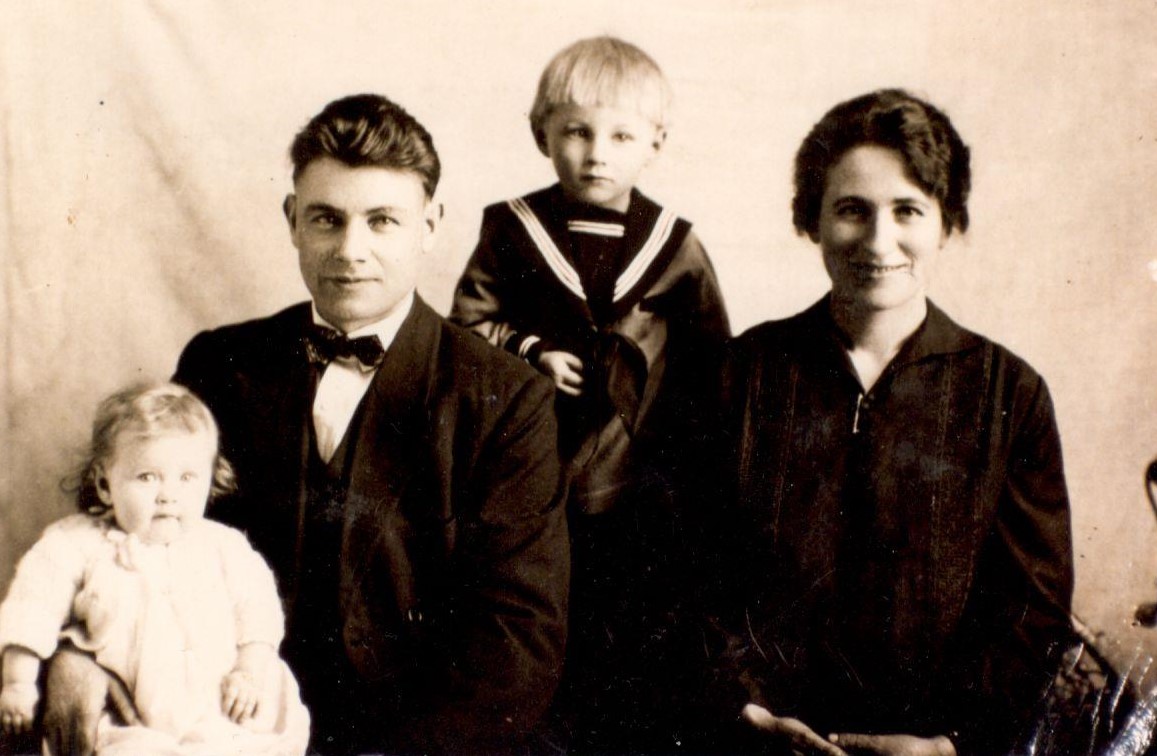
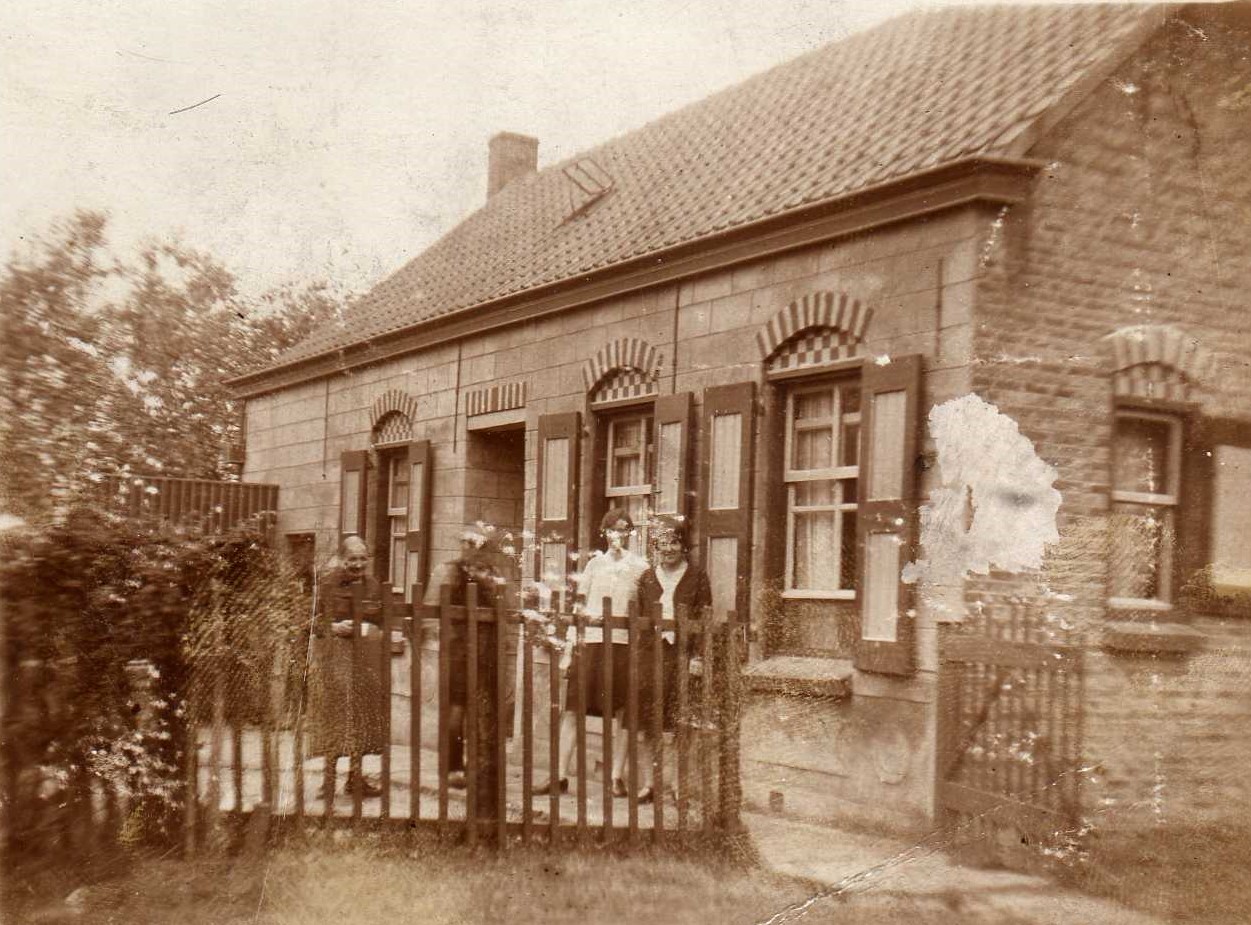
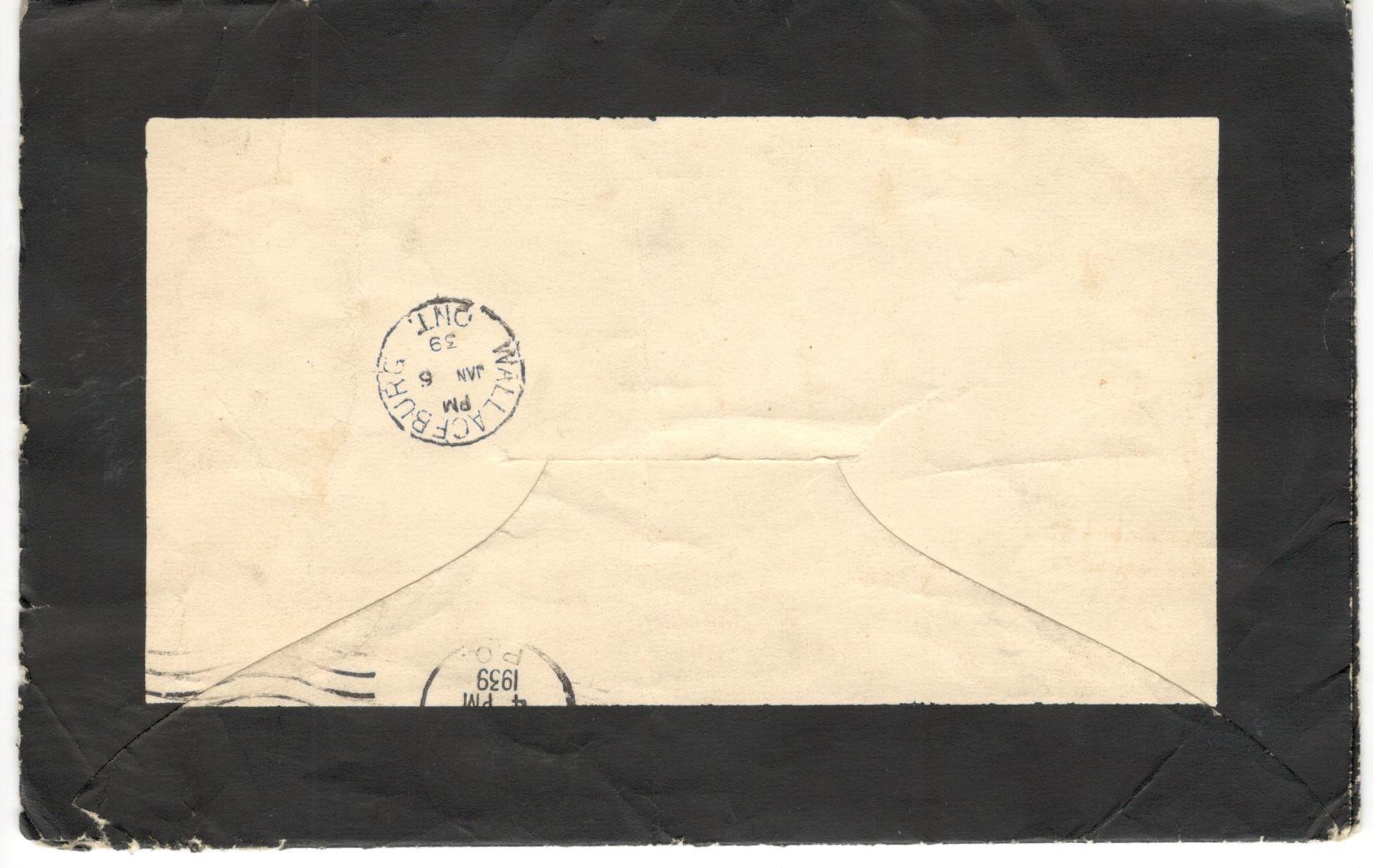 After my grandfather died, my sister tried to talk her into taking us to Holland on a trip but she said she was too old (she was only in her early 70’s) but I don’t think she wanted to go by then, fifty years had gone by, it had been too long. But she continued to send airmail letters back and forth to her brothers and sisters over the years. They sent her a bouquet of tulips for her 80th birthday. Her siblings all lived well into their 90’s, the last one dying at 95, still riding his bike around town. They had moved into town by then too, as their farm had been swallowed up by development. My grandmother herself lived to be 96 in her own home – she was the last of her family and many condolence letters arrived from nieces and nephews in Holland after she died.
 thehomeplaceweb