There are books, and then there are book club books. The sign of the later is when you’re finished reading it, you want to discuss it with someone else who has read it. So, here are ten books, published in the past year or two, good for discussion at book clubs everywhere…..except mine of course, where the majority prefer light and fluffy (see last week’s Beach Reads). Not that there’s anything wrong with those, (I read both) but the ideal book club selection should have enough material in it for a lively discussion. (I’ve critiqued the cover art too…although this batch is not as good as last weeks, but it’s what’s inside that counts!)
Upwardly mobile cover art conveys the theme.
A Great Country – Shilpi Samaya Gouda
Family saga. For the Shahs, Indian immigrants who came to America twenty years ago, the move to a lovely upscale Pacific Heights neighbourhood is the culmination of a dream, until their 12 year old son is arrested in a violent encounter with police. For their three children born and raised in America, success is not so simple. Themes – immigration, generational conflict, social class and privilege. I enjoyed her other books, especially her first, Secret Daughter.
Standard cover art for her books – with a few palm fronds for the tropical setting.
One Perfect Couple – Ruth Ware
Psychological Suspense, reminiscent of Agatha Christies And Then There Were None. Things are not going well for Lyla and her actor boyfriend, until he auditions for a reality TV show in England and wins. They are whisked away to a small island in the Pacific with five other couples, and things are fine until a storm hits, the film crew suddenly departs, and the couples are left alone as a killer stalks among them. Deprived of their cell phones the group must band together for survival. As tensions run high and supplies run low, Lyla finds this game show is all too real, and the stakes are life and death. Although Ruth Ware is one of my favorite authors, I wasn’t prepared to like this book as much as I did, given my general dislike of reality tv shows, but I found it very suspenseful, with a truly surprising ending. I won’t reveal the theme, but it’s sort of like Lord of the Flies for adults, with a twist. I think this is her best book yet.
Green for the woods?
The God of the Woods – Liz Moore
Psychological suspense and family drama. August 1975, early morning in the Adirondack Mountains, a camp counselor discovers an empty bunk. Barbara Van Laar, the 13-year-old daughter of the affluent family who owns the summer camp, has gone missing, prompting a massive search. But this isn’t the first time a Van Laar child has disappeared, her older brother vanished 14 years ago, never to be found. A real page turner, with a satisfying ending.
A courthouse in turbulent times.
A Calamity of Souls – David Baldacci
Historical fiction/courtroom drama. South Virginia, 1968, the civil rights movement is raging. A young white male lawyer teams up with a female black lawyer from Chicago to represent a black man wrongly accused of brutally killing his wealthy white employers. Fast paced, good characterization, and a riveting court case, with a surprise ending. Wow – is all I can say, this was one of the best books I read last year. Lots to discuss, racism, the civil rights movement, a bygone era that’s starting to look familiar again.
A key to a room with a socialist rose?
The Briar Club – Kate Quinn
Historical Fiction. Washington DC 1950, a story of friendship and secrets in a female boarding house during the McCarthy era. Everyone keeps to themselves at Briarwood House, until a mysterious widow with secrets of her own, arrives and starts to hold weekly dinner parties in her room. The book opens with a dead body upstairs and the women must decide who is the true enemy in their midst. I had never read anything set in the McCarthy era, so I enjoyed this immensely.
I like this cover – short and to the point.
Those People Next Door – Kia Abdullah
A gripping thriller about nightmare neighbours. Salma Khatun is hopeful that the safe suburban neighbourhood they have just moved to, is a fresh start for her family and teenage son, but not long after they move in, the man next door rips out the anti-racist banner she put on her front lawn. She doesn’t confront him as she wants to fit in, so she moves the banner inside and puts it in her window, only to wake the next morning to find her window smeared with paint. Things escalate from there and battle lines are drawn, while they are unaware their two sons have become friends.
A standard cover for her, with a helicopter for Vietnam
The Women – Kristen Hannah
Historical drama about the forgotten role of women in the Vietnam war. 21-year-old Frankie, a sheltered young woman from an affluent military family, enlists as a nurse during the Vietnam War. The story follows her tours of duty and the decades thereafter. I found this story fascinating and disturbing as all war stories are, particularly as I had never read anything set in Vietnam.
Self-explanatory but kind of boring.
The Berry Pickers – Amanda Peters
Family saga/mystery. July 1962 A four-year-old Mi’kmaq girl from Nova Scotia goes missing from the blueberry fields of Maine, where her family travels for work every summer, sparking a tragic mystery that haunts the survivors and remains unsolved for fifty years. Meanwhile a young girl grows up in Maine, the only daughter of affluent parents, never quite fitting in, until she searches for the truth about her family. A debut novel by a Canadian author, very good.
Beware a guy who seems to good to be true. The copy I read had a plainer British cover, minus the sociopath.
One of the Good Guys – Araminta Hall
Psychological thriller/mystery. “Hall’s feminist tour de force, shines a light on how easy it can be for strong women to be coerced and manipulate by ’good men’….and how easily these men hide in plain sight.”
How often have you heard a divorced woman say – I thought I married one of the good ones? Two people meet in a small coastal British village and think they know each other, until two female hikers are declared missing from the same area. Honestly, this book just creeped me out, as it was meant to, particularly the good guy character. Totally amazing plot twists made for a very bold statement at the end.
Patio lanterns – it’s midnight party time.
The Midnight Feast – Lucy Foley
Psychological thriller/mystery. A multi-character novel about a reunion that turns deadly at a luxury resort in the English countryside. When a body is discovered on the opening night in an adjacent wood all the secrets of the past come spilling out at the midnight feast. The founder of the resort, one of those perfect influencer types, was especially well done, and justice was served like desert at the end. Easily her most riveting book yet.
I love it when my favourite authors just keep getting better and better. I wonder how they can keep coming up with such amazing ideas and plots which also make for a great discussion. I would like to start my own book club someday, but have you ever tried to coordinate the schedules of a bunch of retired people…
These ten books with short summaries are all good reads, published over the past year or two. They’re light and riveting enough for the beach – just remember to reapply sunscreen! (Lately I’ve been critiquing book covers, so check out those too. Some books are just easier to illustrate than others.)
A 1940’s retro beach look.
The Martha’s Vineyard Beach and Book Club – Martha Hall Kelly
Historical drama/family saga about two sisters struggling to keep the family farm going when American soldiers descend on the island for training exercises n 1942. The book club part seems incidental but it’s a nice story, with a bit of romance, but I love anything about Martha’s Vineyard.
This catchy book cover says it all.
Famous Last Words – Gillian McAllister
Psychological thriller. Riveting tale about a new mother’s search to find the truth when the police arrive at her door to tell her there is a hostage situation developing in London, and that her husband is the gunman.
A deserted island haunted by ancestral ghosts
Camino Ghosts – John Grisham
Captivating thriller/courtroom drama, about a resort development firm claiming ownership of an unoccupied island between Florida and Georgia, and the last living inhabitant, an elderly black woman, who stands who stands in their way. The island was owned by free slaves and the locals believe it to be cursed. I’ll read anything by John Grisham, but this was one of his better books. This is the latest of his Camino Island trilogy and the best, same characters, but it can be read as a stand alone, the first was about a murder during a hurricane.
Mystery at a Big Sur resort where a wedding does not happen, because I’m not sure unwedding is a word?
The UnWedding – Ally Condie
Thriller/Mystery. A woman spends her 20th wedding anniversary alone at a fancy resort near Big Sur, after the unexpected break up of her marriage. There’s a wedding at the resort, and a big storm brewing, and complications occur when the groom is found dead floating in the pool on the morning of the wedding. This was a Reese Witherspoon Book Club selection.
A quiet suburban neighbourhood in the middle of the night.
Middle of the Night – Riley Sager
Thriller/Mystery – Thirty years later a man returns to the quiet neighbourhood where his best friend disappeared from their tent in his backyard in the middle of the night. I’ve never read anything by Riley Sager, but this was good and very suspenseful. Nominated for 2024 Goodreads Thriller of the Year
A big house she can’t afford without her inheritance?
The Inheritance – Joanna Goodman
A mother-daughter family saga. A grieving 36 year old single mother with three children, deeply in debt after the death of her husband, receives a phone call from a New York lawyer offering a glimmer of hope between a life of poverty and wealth thanks to her unknown deceased billionaire father. The drama is in the legal fight for her inheritance. I didn’t like this protagonist initially, but the story grows on you, and the ending was quite good.
This cover art tells me nothing?
Pineapple Street – Jenny Jackson
Family saga. Contemporary fiction about three women in New York’s one percenters, and their families – love and class. If you ever wanted to read about how the rich live, it was surprisingly interesting, and I liked how she wrapped up the stories at the end. Nominee for Goodreads Readers 2023 favourite fiction.
Neither does this one? Is she supposed to be beautiful?
Hello Beautiful – Ann Napolitano
Family saga. An “emotional, heart wrenching family drama’ about an Italian Catholic family of four sisters. Two sisters fall for the same man, causing the family to break apart for 25years. Hello Beautiful is the greeting the dad gives each of the daughters. I have to admit I shed a few tears at the end.
Third in the series, just different colors so instant brand recognition. The diary is a clue.
The Maid’s Secret – Nita Prose
Heartwarming mystery, the latest of the Molly the Maid series and the best yet. You can’t help root for Molly who is on the autism spectrum. She’s been promoted to head maid at the Regency Grand Hotel, in charge of special events, but when a daring art heist takes place during the filming of an antique roadshow reality TV show, long buried secrets are revealed about her dead grandmother’s wealthy past. I really enjoyed the grandmother’s diary entries, and the ending – well – pass the Kleenex. My favorite yet of the three in the series, plus the Christmas novella.
I have to admit this cover is my favorite because of the mortar and pestle.
The Love Elixir of Augusta Stern – Lynda Cohen Loigman
Nominated for Goodreads Historical Fiction 2024. When I saw this one on the new releases list I was intrigued because as a retired pharmacist, I had never read a book where the main character was a pharmacist, so I liked it even before I opened a page. After turning 80, newly retired Augusta Stern relocates to a senior’s centre in southern Florida, where she unexpectedly crosses paths with her first love Irving, the delivery boy who broke her heart 60 years ago. Alternating between present day and 1920’s Brooklyn, Augusta attends pharmacy college (rare for a woman then) after her father’s sudden death and inherits his neighbourhood pharmacy. When her eccentric Great Aunt Esther moves in Augusta is drawn to her unconventional remedies, ranging from homemade chicken soup to a mysterious array of powders and potions, and she decides to experiment with a love potion for Irving with disastrous results. But is it ever too late for love?
What I liked about this book – the pharmaceutical accuracy and descriptions of a time when almost everything was compounded from scratch. The author acknowledges in the notes how she researched the remedies from old drug journals. The protagonist was based on a great aunt in the family who had been a pharmacist way back then. I liked Augusta’s independence, her spunk, and her dedication to her career, as it’s not an easy job to do. But what impressed me most was the love story part, (and you know I’m not a romance reader) as it’s the first novel I’ve read involving seniors which doesn’t portray them as a bunch of senile old people who are only concerned with their hearing aids, glasses, bowels, food and naps. Honestly, I’ve read enough of those British cozy mysteries set in retirement homes, as they seem so popular now, but the older people I know are not like that. So kudos to the author (whose father lived in a retirement home) for getting it right, both with the pharmacy stuff and what it’s like to be an active healthy senior today.
This is Part Two of my summer review of books – see last week for Part One. Welcome to my virtual bookstore – Happy Browsing!
Anne Tyler was typical Anne Tyler – French Braid was a quirky family saga – it opens with a long-ago family vacation with three teenagers who have nothing in common and their peculiar parents, including a mother who put her aspirations to be a painter ahead of her children and gradually moved out of the family home over the years to a studio. Perhaps she thought they wouldn’t notice? I don’t often read Anne Tyler as I just don’t get her – sure it’s readable, but what was the point of it all? I actually had to google this one to refresh my memory as I read it last spring, it was that forgettable.
Our House won a 2019 British mystery award, so I thought I’d give it a try. I loved Louise Candlish’s last book, The Other Passenger, but this lacked by comparison. I guess you could call it a domestic drama. A woman arrives home to find another couple moving into their house, which her estranged husband has sold without her knowledge and then vanished. You could tell it was going to be a train wreck, so it wasn’t very suspenseful.
The Personal Librarian – Historical tale about the life of Belle da Costa Green – a black woman who passed for white in the 1920’s, she was employed as JP Morgan’s personal assistant and helped him assemble the vast treasures of the Morgan Library and Museum. Something about the writing was off – perhaps because it was co-written. She led a fascinating life, so it should have been a better book, but then I’m generally not a big fan of first-person narrative…especially by two different people.
I really enjoyed The Lost Chapter even though I tend to avoid multi-generational/female friendship sagas. Partially set at a finishing school in Lyon France in 1957, a friendship between a proper British girl and an independent brash American, ends badly. Decades later, 80 year old Flo discovers that her friend has written a fictional book about their time there. An artist, she befriends Alice a troubled teen, and along with her mother Carla, they impart on a road trip to France to confront her past. Well done – I would like to read more by Carolyn Bishop. As for the finishing school and the rules for female behaviour – how the world has changed.
The Long Weekend – another one I had to google to refresh my memory. Three women go away for a long weekend in a remote corner of England, (without cell service of course) only to find a note waiting for them saying that one of their husbands will be murdered. Suspenseful, from what I remember.
Verity – The librarian said this book was popular, but I am not familiar with the author, probably because I don’t read romance novels. She also wrote It Ends With Us. Billed as a romantic thriller, I abandoned it about fifty pages in and googled the ending on Goodreads, which justified my decision not to waste any more time on it. A struggling young writer is hired by a charming man to finish a book his injured wife was writing. If you want to read graphic details about two people having an affair while the wife is lying comatose upstairs, then I guess this is the book for you. It was reissued recently with an exclusive new chapter after the author did a reading of it somewhere. I think it was supposed to clarify the shocking ending? Or perhaps it was a money grab?
Iona Iversons’ Rules – charming tale about a group of people who ride the same London subway car every day, and how they meet, as the first rule of commuting is don’t talk to strangers. A cheery read – I find I’m reading more light fiction by British novelists these days. It might have to do with the sad state of the world – they’re always good for a cuppa tea and a keep calm and carry on reading mentality. I was so impressed with this, I ordered Clare Pooley’s second book, The Authenticity Project, which was also a selection of my library book club.
A lonely elderly patron leaves a green notebook in a local café with his life story in it, and urges others to write down the truth about their lives. The cafe owner finds it, adds her story and passes it along. Very good for light fiction, but in real life does a recovering cocaine addict who called you a bad name ever turn into the man of your dreams?
Bloomsbury Girls – I loved this book and blogged about it in my literary salon (see link)– combines two of my favorite genres, historical fiction and bookstores. Three women working in a London bookstore during the 1950’s – the times they are a changing….
The Family Remains is a stand-alone sequel to Lisa Jewell’s, The Family Upstairs from several years ago, which was about two families sharing a cult-like existence in an old Chelsea mansion, until 3 of the adults turn up dead. The author said her readers wondered what happened to the four teenagers in the house, so she felt the need to write a sequel. I found The Family Upstairs to be a disturbing story, but this was better, except for that little unnecessary twist at the end.
The Last to Vanish – a mystery about a North Carolina inn set in a small town near the Appalachian trail, named the most dangerous town in the country. Six hikers have disappeared from the area in the past ten years. Heavy on atmosphere (how much rustling in the woods can there be), and a fairly slow plot, but a nice ending.
The Couple at Number Nine – British murder mystery about a young couple who are gifted a cottage when her grandmother develops Alzheimer’s and is placed in a care home. They uncover two bodies while digging for an extension, and a crime investigation ensues. This is more of a family drama/saga than a true suspense thriller, but the characters are well developed, and I enjoyed it. I would order more books by this author.
Mrs. Harris Goes to Paris – a short novella (120 pages) about a British char woman (cleaning lady) who scrimps and saves to buy a Dior dress. Written in 1958, I found the style dated and the Cockney slang/dialogue, difficult to read. A lot of repetitive description of Mrs. Harris being twinkly eyed and apple cheeked although wrinkly, gray-haired and middle aged but I found the tone of the book somewhat disparaging when she was described as a grotesque sight upon donning the vision of her dreams, a long frothy tulle and velvet concoction suitable for a jeune femme. I guess views on aging have changed. I love vintage fashion from the 50’s and am curious to see what they have done with the movie, which had fairly good reviews. The book was written by a male author I had never heard of, and I was astonished by his extensive list of books, 50 according to the flyleaf, including Thomasina the Cat, which I remember as a 1963 Disney movie and The Poisideon Adventure, from 1972. He must have been popular in his day. The second part of this book, was Mrs. Harris Goes to New York, which I did not read as I had to return to the library, and I just couldn’t handle any more of the accent and the description. There are four books in the series, including Mrs. Harris Goes to Moscow……not likely.
Out of Her Depth – was like the The Great Gatsby only set in a Tuscan villa a hundred years later – the young and beautiful and then the outsider. (Yes, the rich are different than you and me.) A young protagonist from an unfashionable part of London can’t believe her luck in landing a summer job at a Tuscan villa, where she meets a group of rich British college students on vacation. Even though I’m not the demographic for this type of psychological thriller I ordered it because it was a murder mystery set in Italy, although there was so little description of the country and the food (other than a few plates of pasta) that the novel could just as easily have been set anywhere. More character than plot driven, the story is told partially in flashback twenty years later when one of the group has just been released from jail for a murder he didn’t commit. There was some bad language, (it was young people and they tend to talk that way) but the characters were so mesmerizing and the plot-line so suspenseful, I managed to ignore it, although I was disappointed in the ending.
The other book, The Lost Ticket, was another heartwarming light British read – strangers aboard a London bus unite to help an elderly man with dementia find his missed love connection in this new novel from the author of The Last Chance Library. He lost the bus ticket with her phone number on it back in 1962. It sounded promising but I had to return it to the library as I had too many books out. (Two or three is comfortable, as I read about book a week, but seven is way too many and then I start to feel stressed…..I know, I know…..but such is retirement stress….that and medical appointments.)
A beverage on a tray on a bed is a recipe for disaster.
It’s been a long time since I’ve read a decorating book, but I saw this mentioned on another blog. It was okay to browse through, but the print was so small (is this a trend, and no I don’t have cataracts yet) but as I’m not a fan of the serene staged minimalist look, I didn’t find it too inspiring, although I did like all the white/cream backgrounds and some of the photos were pretty. There are four sections on how to beautify your home according to the seasons. I vote for fall – bring on the scented candles.
And last but not least, Between Two Kingdoms – a memoir of a life interrupted – a riveting but depressing account of a 22 year old college graduate who is diagnosed with leukemia with a poor prognosis shortly after she moves to Paris, and her grueling three year battle to survive. The last third of the book deals with her cross-country road trip, after she is declared in remission, to visit some of the people who had written her letters during her ordeal. (She had a blog and syndicated newspaper column.) This book was also my library book club selection and the consensus was, it was a good read but not for everyone. Certainly not for anyone facing a cancer diagnosis as it was heavy on horrible details. (While the treatment for leukemia can be notoriously long, I’ve known some cancer patients who were well enough to work throughout their treatment, and one treated for lymphoma who didn’t even lose his hair.) There was lots to discuss about this book, as in A) Why did it take so long to diagnosis her? B) I can’t believe her boyfriend/fiance stuck around as long as he did, he must have been a saint. Two years without a day off? And C) The whole road trip thing at the end just seemed like such a foolhardy decision – to put her life at risk like that when she wasn’t fully recovered, especially for a person with very little driving experience. She left New York in a borrowed car, driving the wrong way down a one-way street, not even knowing how to merge into expressway traffic, not to mention she was alone, camping, mostly in winter, staying in isolated places and sketchy motels. I wondered if she embarked on the trip to have something to write about? Really I was horrified by it, and worried about her having a relapse. Having fought her way out of a such an excruciating ordeal, you’d think she would have been a bit kinder to her body, although she admitted she has had to learn to accept the limitations of her immune system. Very well written though. (pg. 274 – “After you’ve had the ceiling cave in on you – whether through illness or some other catastrophe – you don’t assume structural stability. You must learn to live on fault lines.”) Sadly, this past year her cancer returned after a six year remission, and she underwent a second bone marrow transplant.
To recover from that read, I switched to TV for light entertainment.
I’m sure this will be the last Downton Abbey movie. While it was nice to see the old gang again, the story-line was thin, the fashions and scenery frumpy, except for the bit in the south of France, and don’t get me started on the ending…. it will be forever how I remember them.
Hotel Portofino – I missed the first two episodes of this Masterpiece mini-series set at in hotel along the Italian Riviera in the 1920’s during the fascist/Mussolini period, so I ordered the DVD from the library. The setting was gorgeous and the fashions lovely, but the storyline wasn’t that good, and some of the characters seemed miscast. I found the main character, Bella, the hotel proprietress, particularly annoying. It’s no Downton Abbey, but worth tuning in for the scenery – maybe Season Two will be better. It’s set in the same area as Enchanted April, a movie and book I loved.
And finally, I was excited to read that our library headquarters was holding their annual book sale of redundant copies – these would be excess copies from book club kits, once popular bestsellers, generally fairly good stuff unlike most book sales which are often the dregs from someone’s basement. I’ve never gone as it’s always early on a Saturday morning, and the location is out of the way, but because it was from 1-8pm and well advertised and there would be three years of books on sale, over a thousand people showed up in the first TWO hours. By the time I got there around 3 pm, (it rained, so I dawdled, plus I knew there would be parking issues as it was at the fairgrounds), there was NOTHING left but empty tables. The organizers were surprised at the turnout, as it usually only attracts a couple of hundred people. It was so disappointing, as I’m still trying to accumulate books for my little library, but also encouraging in a way, as it tells us the pandemic has made so many of us into READERS!
My quarterly review of books has morphed into six months again – I guess I must have been too busy reading. Since I last posted a general review in February (see link – Review of books Winter 2022) I’ve read so many books that I can’t remember what some of the earlier ones were about, other than the vaguest impression, so I’ll just try to hit the highs (and lows) of my reading list. While I read many excellent books last winter, this selection was more mixed, (although all are rated a 4 or 5 star on Goodreads), not necessarily an issue when nicer weather prevails. Sometimes you just want a book you can pick up and put down, without staying up too late. So pretend you are in a bookstore browsing, and perhaps there will be something to tempt you when those chilly days arrive.
Squirreling away books – from a circulating Facebook post
(Note: these are not necessarily in the order in which I read them. This is Part One of a two Part post….because you know….it was long.
Ann Patchett is one of my favorite authors – I’ve enjoyed her novels, (State of Wonder, Commonwealth) so when her book of essays – on home, friendships, family and writing – came out I ordered it. I loved the first half of the book, about growing up wanting to be a writer, and having her three dads at her wedding, her difficulty in getting rid of her old typewriter, her decision years ago not to have children. I felt like I had found a new friend, but then I came to a very long piece which comprised the latter third of the book, about her relationship with Tom Hanks publicist, Sooki, who was diagnosed and eventually died of pancreatic cancer. Ann Patchett owns an independent bookstore in Nashville, and their acquaintance came about when she scheduled an in-store reading of Tom Hank’s book of short stories, (Ordinary Type) many of which were about typewriters. (That book is a whole other topic, and while I love Tom Hanks he should stick to acting as struggling writers in garrets all over the world could have done better given the opportunity. Maybe it was a pandemic project but he is now working on a novel about the movie industry due out next year, which is being billed as an ambitious project.) Ann Patchett and her physician husband helped Sooki find an oncologist for experimental treatment and even invited her to stay with them in their home for six months while she was undergoing treatment during the pandemic. She warns that the downside of staying with a writer is that you get written about but perhaps she thought she was memorializing her? Sooki, being a very private person, and fighting for her life, mostly kept to the basement flat. She was probably too sick to socialize, but the author seemed somewhat obsessed with the idea that their friendship should have been closer. That’s the problem with memoir – you can unknowingly reveal some less attractive aspects to your personality. Otherwise, the book was good, and the writing lovely, but that last essay just spoiled the whole thing for me. Sometimes when something about a book really bothers me I’ll hop over to Goodreads and read the reviews – all five star and glowing, so it must just be me.
I’m a big fan of British mystery writers, including Ruth Ware, so I really enjoyed this, her sixth and best book so far – a who-done-it about a group of six first year students at Oxford. She’s come a long way since her first book, In A Dark Dark Wood. (Others are The Woman in Cabin 10, The Turn of the Key, One by One) Although the two female room-mates have nothing in common, they strike up a friendship, until one night the popular one, The It Girl, is found murdered in her room. The creepy dorm porter is charged and found guilty, but ten years later, after he dies in jail still pleading his innocence , a journalist starts snooping around. The book is told, partially in flashback, by the other room-mate who is by then married to the It Girl’s old boyfriend. It was very well done and very suspenseful, and fairly long at 400 pages. It took me back to my university days, where the friendships you made were often forged during the first few weeks, although our porter was a kind elderly gentleman, whose job seemed to be sorting the mail into the mail slots (yes, those were the days my friends, you got mail), while keeping an eye on the front door, although he could certainly glare with disappointment when you came creeping in in the wee small hours of the morning, so I totally understand why the protagonist chose to climb over the stone wall near the back entrance. This was easily my favorite suspense novel of the year so far.
The other book, Local Gone Missing, is about a female British detective on medical leave in a small seaside town when a local man disappears on the night of a music festival. A good read – this was my first book by this author.
I was a big fan of Grantchester, the Masterpiece series set in 1950’s Cambridge about a whiskey-swilling, jazz-loving young vicar and his crime-solving detective friend Geordie, at least I was until the storyline descended into repetitive dross, probably inevitable given it is currently in season seven. While there is always a murder in each episode, and a moral of sorts, I find the secondary characters are often the best part. The TV series was based on a series of books by the author James Runcie, whose father was a vicar in that era. I read the first book in the series, Sidney Chambers and the Shadow of Death, (it sounds like a Hardy Boys title) more out of curiosity, and then the second, Sidney Chambers and The Perils of the Night. The books are composed of self-contained chapters of some of the murders in season one and two, but as I already knew the outcome from the tv show I didn’t find it too suspenseful, although it was well written and sometimes insightful. At the end of book two, they married him off to that simpering Hildegarde, and that was it for me, although his snobby friend Amanda was an equally annoying choice. Poor Sidney, such terrible taste in women. There are six books in the series, including the prequel in the war years.
The Tenth Nerve – a brain surgeon’s stories of the patients who changed him – was a memoir written by a Vancouver doctor, with each chapter about one of his more memorable cases. I love a good medical book and the brain is such an interesting thing. The tenth nerve refers to a new cranial nerve he discovered while operating on several patients with the same painful throat condition. I found it well written and very interesting, if you like that kind of thing.
I love Frances Mayes so I was anticipating a travelogue in the vein of her usual Under the Tuscan Sun format, but this was more of a National Geographic guidebook, with sections on different parts of Italy – perfect if you were traveling there and wanted some background info on what to see and do in each region. Unfortunately, the print was so tiny that I didn’t even skim through it. There being no Italy in my foreseeable future, I returned it to the library, where the librarian, who has been to Italy five times (pause while I recover from turning green with envy) devoured it and pronounced it very good.
I abandoned the Carl Bernstein book, which deals with his early years in the news industry in the 50’s and 60’s, after about fifty pages as I just didn’t find it interesting.
The Truth About Melody Jones – is early Lisa Jewell, 2009, and yes she wrote about dysfunctional families even then. A single mother has no memories of her life before age nine and seeks to uncover the truth behind her early life. This was a paperback with very tiny print, but I persisted as I didn’t have anything else to read at the time.
Bittersweet – How Sorrow and Longing Make Us Whole – Susan Cain is the same author who brought us the wonderful 2012 non-fiction book, Quiet – a gift for introverts everywhere. I was expecting an equally fascinating read. I can’t even describe what this book was about, as the concept was so vague and shifting, that the book left me baffled and disappointed. Not recommended – unless you want to wade through 300 pages looking for a few insights. Billed as a masterpiece on the power of a bittersweet outlook on life, I would pass….and pass the dark chocolate.
This Agatha Christie autobiography was easily my favorite biography of the year, even though it was written in the 1960’s and published in 1977, a few years after the authors death. I knew next to nothing about this elusive author, who led such a fascinating life. See blogs – Agatha Christie – An Autobiographyand Some Thoughts on Writing.
When I was growing up short stories were to be found in every periodical, even fashion bibles like Seventeen, and women’s magazines like Redbook and Ladies Home Journal. (I used to devour my mother’s copies and not for the recipes.) I vaguely remember short story collections coming back in favor for a brief moment in the 1980’s, but other than a few authors like Alice Munroe (who may be Canadian but I have never understood the exultation of, ditto for Margaret Atwood), they seem to have become extinct in popular fiction. So I was surprised to see these two selections under New Releases. Maybe Tom Hanks started a trend? Unfortunately, I abandoned both after skimming a few of the stories as they just didn’t grab me, although I admit I didn’t give the Lily King one much of a chance. As for the Brooker Prize winner, Roddy Doyle, it was set in Dublin in the early days of the pandemic. The first story involved a middle aged man who is diagnosed with coronary heart disease – yes, the 60’s is the decade when things start to fall apart – and faces his own mortality. I don’t get why he is a Brooker prize winner – when his command of English includes so much unnecessary profanity.
Historical fiction about Jane Austen’s long neglected sister, Cassandra. Excellent – blogged about it – see link. A first novel from this promising author.
Classic Elin Hilderbrand beach read about the restoration of an old Nantucket Hotel. The usual flawed characters, with too much bed-hopping, alcohol and food, but I did like the bit about the ghost. She keeps saying she’s going to retire, but I don’t see any sign of it as she has a book of short stores coming out soon, Endless Summer.
Sparring Partners – a novella and two short stories, one of which is about a prisoner who receives a visitor in his final hours on death row. Sparring Partners is about two brothers who loathe each other and inherit their father’s once prosperous law firm. I devoured these, but then anything by John Grisham is immensely readable. His annual legal thriller, Biloxi Blues is due out soon. I recently read an older novel of his, The Broker, (in large print, which pleasantly passed the time while waiting seven hours in ER for a CAT scan – only in Canada, folks), which was about a DC white-collar criminal jailed over secret documents who is issued a last minute pardon during the waning days of a corrupt US presidency. (How prescient of him, given it was written in 2005) He is provided with a new identity by the CIA and set down in the middle of Italy where he must learn to blend in and learn the language with the help of a tutor. (Ah, the food, wine and scenery, such a hardship) The aim – to see which foreign government will pick him off – the Saudis, the Chinese, the Russians or the Israelis? A good read and satisfying ending. I think back then he took more care with his endings.
Speaking of endings, I’ll wrap this up. See you next week for Part Two.
PS. The squirrel above squirreling away books instead of nuts, reminds me that my 2018 blog, How To Make A Chestnut Wreath, is trending again. It’s my second most popular post.
Historical fiction seems to be a popular genre these days, especially books set in Europe or Britain during WW2. Starting with The Nightingale by Kristen Hannah, there have been so many of this type released over the past few years it’s hard to keep track of them all, let alone read them. Another popular choice involves anything with a bookstore in it’s title. While I tend to be a sucker for these kinds of books, they sometimes don’t live up to the hype, but combine the two, and you get the absolutely delightful read, Bloomsbury Girls by Natalie Jenner.
Publishers Blurb:
The internationally bestselling author of The Jane Austen Society returns with a compelling and heartwarming story of post-war London, a century-old bookstore, and three women determined to find their way in a fast-changing world.
Bloomsbury Books is an old-fashioned new and rare book store that has persisted and resisted change for a hundred years, run by men and guided by the general manager’s unbreakable fifty-one rules. But in 1950, the world is changing, especially the world of books and publishing, and at Bloomsbury Books, the girls in the shop have plans:
Vivien Lowry: Single since her aristocratic fiance was killed in action during World War II, the brilliant and stylish Vivien has a long list of grievances – most of them well justified and the biggest of which is Alec McDonough, the Head of Fiction.
Grace Perkins: Married with two sons, she’s been working to support the family following her husband’s breakdown in the aftermath of the war. Torn between duty to her family and dreams of her own.
Evie Stone: In the first class of female students from Cambridge permitted to earn a degree, Evie was denied an academic position in favor of her less accomplished male rival. Now she’s working at Bloomsbury Books while she plans to remake her own future.
As they interact with various literary figures of the time – Daphne Du Maurier, Ellen Doubleday, Sonia Blair (widow of George Orwell), Samuel Beckett, Peggy Guggenheim, and others – these three women with their complex web of relationships, goals and dreams are all working to plot out a future that is richer and more rewarding than anything society will allow.
About the Author: Natalie Jenner was a new find of mine, after reading The Jane Austen Society, which I blogged about in 2020 (see link) – a post WW2 story about how a group of diverse villagers came together to save Jane Austen’s Chawton cottage. It was a good read for a first book, if a bit uneven, but this newest one is just brilliantly done. She must feel a great sense of satisfaction having two bestsellers, after five failed publishing attempts earlier in her life. (link) A life long lover of books, she owned an independent bookstore in Oakville, Ontario for awhile, so she knows her subject matter. She graduated from U of T with degrees in English literature and Law and worked as a corporate lawyer in Toronto, which probably came in handy for reading all those book contracts. (Translation rights sold to 20 countries.)
Discussion: This book was described by one Goodreads reviewer as Mad Men meets You’ve Got Mail. I never watched the TV show Mad Men – although I loved the fashions, I couldn’t get past the sexist attitudes, (not to mention the cigarette smoking), and abandoned it after the first few episodes. This is a 50’s book, but told from a feminist point of view.
I loved the clever way the author used the manager’s rules for employees at the head of each chapter, and then had the characters proceed to break each and every one. The characters are well drawn and not cliche, as so many of these books can be. Properly cast, it would make a good movie or tv series of the kind PBS/Masterpiece is famous for. I also liked the way she wove the real life authors and historical figures of that era into the plot. Plus it had a suspenseful but heartwarming ending. I always enjoy a bit of karma in my books.
I liked the way the author has carried forward several of the characters from her first book, including Evie Stone, the maid in the Great House at Chawton who helped to catalogue the library and then went on to study at Cambridge. Although connected, each book can be read as a stand alone. In an interview the author discusses her upcoming third book, due in 2024, where she transports one of the Bloomsbury girls to 1950’s Italy – shades of Audrey Hepburn in Roman Holiday – bring it on!
This is a book about strong women and a great read for book and bookstore lovers.
PS. While we may admire the elegant fashions of the 50’s who would want to go back to the chauvinistic rules and inequality of those years? I was lucky to grow up in the first wave of the women’s movement, with the invincible feeling that I could do anything if I worked hard enough. I think sometimes people forget what we fought for. Rise up, women of the world, rise up!
As a reader, I’ve always loved libraries. I remember when the library opened in my small town. I was eight and the teacher took us there on a class trip and I thought it was the most wonderful place. We didn’t have a lot of books at home, just the usual Dick and Jane and Golden Book series, and here was a whole building full of books you could take home for several weeks. I read my way through the children’s side and had graduated to the adult section by age eleven. My mother would take us to the library every Saturday to stock up, and I read my way through many a long hot summer. I still remember the familiar smell of books and the waft of cool air that hit you walking through the door, as the library was one of the few places in town with air conditioning. Of course living in the country, we needed a ride there, so imagine the convenience of having a free little library in your own neighbourhood.
This one is certainly eye catching.
Free little libraries are small neighbourhood boxes where you can borrow, take, donate or share a book…..all kinds of books. They have been popping up all over lately, just like the spring flowers, but as they are a year round venture, they must be weatherproof and snow proof. There are at least 30 registered locations in my county alone – one of the most utilized ones is near a local campsite.
I’ve been thinking about having a little library since the beginning of the pandemic, which the libraries were all closed and I found myself lending out books to neighbours I met while walking, who complained about having nothing to read, and is there anything worse for a reader.
It’s a nice way to share your love of reading, expand book access, and meet and get to know your neighbours. Last year the local Literary organization was so stockpiled with donated books that they offered temporary pop-up libraries at parks and beaches when the weather was nice, using plastic recycling blue boxes.
The Free Little Library organization (take a book, share a book) has a website, (see link) where you can officially register as a book steward (with a plaque number) if you wish, but I think I would prefer to just put one up and see how it goes. My neighbourhood is an old established one, with a mixture of retired folks and young families, but it’s a cul-de-sac, and I don’t want too much of a commitment until I see how much it will be used.
Their website says they have over 100,000 registered stewards in over 100 countries around the globe. They also have a page where they sell pre-made libraries and kits – see link – averaging around $350 plus another $175 for the spike and post. I like this blue one made out of composite so it doesn’t need painting, but it’s sold out.
These are their revenue generators, but a bit pricey, but they also have a page with a list of ideas for making your own,(see link – little libraries on a shoestring budget)such as this one here, which appears to be a storage cupboard propped up on a stool.
The local literacy organization was partnering with volunteers and high school shop classes to make some of these book sharing boxes. They were sponsoring a contest, which I didn’t win, but garage sale season is coming up, so I’ll keep my eyes open for something suitable….and books of course. They can hold up to 40 books, so I have some book shopping to do.
Annual pop-up book sale
Thrift stores are good sources for books, plus I went to the big Rotary Book sale last month, for the $10 stuff a bag day and stocked up. I bought mostly books that I have read and enjoyed, although the children’s selection was picked over by then.
Some book club discussion books Some classics
Warm weather will be here soon, and I’m looking forward to reading outside again on the deck.
One of the pleasures of staying in a hotel room is someone else cleans up, but do we ever really think about that person? We may see them moving their trolleys up and down the hallway, and hopefully we leave them a tip, but it’s a job a lot of people take for granted. It’s hard work, plus, you’d have to like cleaning.
Thankfully, Molly, the protagonist in the new bestseller, The Maid, loves her job and takes great pride and enjoyment in returning the rooms at the Regency Hotel to “a state of perfection” as their training program emphasizes. When she happens to clean away some murder evidence which along with her unusual behavior makes her a prime suspect, that provides an interesting premise for a murder mystery.
Reading is better than spring cleaning…
Here’s the Publisher’s Blurb:
Molly Gray is not like everyone else. She struggles with social skills and misreads the intentions of others. Her gran used to interpret the world for her, codifying it into simple rules that Molly could live by.
Since Gran died a few months ago, twenty-five-year-old Molly has been navigating life’s complexities all by herself. No matter—she throws herself with gusto into her work as a hotel maid. Her unique character, along with her obsessive love of cleaning and proper etiquette, make her an ideal fit for the job. She delights in donning her crisp uniform each morning, stocking her cart with miniature soaps and bottles, and returning guest rooms at the Regency Grand Hotel to a state of perfection.
But Molly’s orderly life is upended the day she enters the suite of the infamous and wealthy Charles Black, only to find it in a state of disarray and Mr. Black himself dead in his bed. Before she knows what’s happening, Molly’s unusual demeanor has the police targeting her as their lead suspect. She quickly finds herself caught in a web of deception, one she has no idea how to untangle. Fortunately for Molly, friends she never knew she had unite with her in a search for clues to what really happened to Mr. Black—but will they be able to find the real killer before it’s too late?
A Clue-like, locked-room mystery and a heartwarming journey of the spirit, The Maid explores what it means to be the same as everyone else and yet entirely different—and reveals that all mysteries can be solved through connection to the human heart.
About the Author:
Nita Prose is a longtime editor, serving many bestselling authors and their books. She lives in Toronto, Canada, in a house that is only moderately clean.
As an longtime editor, Nita Prose obviously had publishing connections, but this book is so good and so unique I’m sure it would have been found a home anyway. I suspect the hotel in the book is based on The Royal York in Toronto, where I have stayed on occasion when work was footing the bill, (it’s handy to Union train station, but when I have to pay, I stay at the pleasant but cheaper Marriott) or it could be any one of those grand old dames with an impressive lobby which pride themselves on style and service.
Discussion: I loved everything about this book – the protagonist, the plot-line, the descriptions, the dialogue – it’s just a charming story. I was already casting it in my head, when I read on Amazon that it is in development as a major motion picture produced by and starring Florence Pugh. I don’t know enough about this English actress to say whether she would suit the role or not, but it’s the kind of quirky movie the British do best. Hollywood would probably Hollywoodize it, with sexy uniforms and lots of bed-hopping.
One thing to note, this murder mystery has nothing to do with the Netflix series of the same name, which is a totally different story. I haven’t watched it, but believe it deals with the struggles of a single mother working a minimum wage job. I don’t know what the pay is for hotel maids but personal maid services here charge $35/hr with $25 going to the maid, and even home care agencies charge $25 for light housekeeping, but the bigger hotel chains may be closer to minimum wage $15 as they are often staffed by people whose English is a second language. This is addressed in the book, as one of the employees does not have the proper immigration papers and Molly herself has difficulty making her big city rent. (These rates may even have gone up given the low unemployment rate and difficulty in attracting employees.)
Molly is such a memorable character that you can’t help but root for her. Alone in the world after her grandmother’s death, she is unable to understand or read social cues, and takes everything at face value. The book is written in first person, which I often find annoying, but which works here as we are seeing the world from the point of view of someone whose thinking and behavior would be considered outside of normal. Although the author is very careful not to label her, she is probably somewhere on the spectrum, possibly Asperger’s Syndrome with a good dose of OCD thrown in. She seems literally clueless when it comes to interpreting other people’s words and actions which leads her into trouble. (I wonder if people who fall prey to obvious financial scams might be struggling with the same perceptive difficulties.)
The dialogue is clever, (hence the movie), and the descriptions creative – her nest egg which was stolen is her “Faberge”, her restaurant date was “the Tour of Italy”( which made me want to eat at an Olive Garden, if only we had one here).
The plot was fast-paced, although but I had a small problem with the ending, but understand why it had to happen that way. Overall, the book was a brilliant debut and also a gentle reminder that there are many “invisible” people in society, whose perceptions of the world may be somewhat different than our own.
PS. I use a maid service for my mother’s house, and also occasionally for myself for bigger jobs like windows, as I simply don’t have the energy to keep up two houses. What I like about them is they send two, occasionally three, people so they are in and out in a couple of hours, so you’re not in their way all afternoon. They do an excellent job, but cleaning houses all day is hard work, so many of them don’t last long, although the head cleaner is always the same. She told me she loves to clean, as did the Molly Maid franchise owner I used before. I’m grateful that some people do…now if I could only find someone who loves ironing. Vacuuming is my second hated task, but give me something to organize and I’m happy. While I used to enjoy the feeling of satisfaction after cleaning my house from top to bottom, now that I’m older I prefer that someone else return my house to “a state of perfection.” If only it would stay that way.
PS. Cleanliness in a hospital is a priority, so I would like to add a note of thanks to the hospital cleaners who have to deal with the COVID-units. I remember the floors in my rural hospital being so clean and shiny you could eat off them.
Last July I did a review of the most memorable books I had read over the previous year – see A Reading Sabbatical. I intended to do a quarterly review going forward, but other blog topics beckoned. Since we’ve nothing much to do this time of year when we’re shut by the weather, here’s a summary of the (mostly) wonderful books I’ve read since. Hopefully there will be something to tempt you to escape to another world for awhile….
Golden Girl – Elin Hilderbrand. The protagonist, author of 13 beach novels and mother of three almost grown children is killed in a hit and run car accident while jogging near her home on Nantucket. She ascends to the afterlife where she meets her guardian angel who allows her to watch what happens for one last summer. She is granted three nudges to change the outcomes of events on earth but with her kids lives full of turmoil must decide when to use them.
I can’t recall any other book where the protagonist was killed in the first chapter, so this was a unique twist on her usual drama-filled beach read. This was intended to the author’s last novel, and seems somewhat semi-autobiographical, considering her bout with breast cancer five years ago. For a swan song, it was a surprisingly good read, although being Elin Hilderbrand not without its annoying immature characters. I wonder what she’ll do next?
Hostage – Clare MacIntosh – You can save hundreds of lives – or the one that matters most. A claustrophobic thriller set on a twenty hour plane flight from London to Australia. The protagonist, a flight attendant with a five-year old daughter and a fracturing marriage back home, is handed a note by a hijacker, who knows exactly how to make her comply. The anonymous skyjacker is part of a radical climate change group, and there is more than one of them seated among the passengers.
If you can get past the premise that post 911, any flight attendant would ever allow anyone into the pilot’s cabin, then this was a very suspenseful read, and well done. Clare MacIntosh at her best. It seems like all my favorite suspense writers had excellent books out last year. Perhaps one blessing of the pandemic was more time to write.
The Rose Code – Kate Quinn A tale about the intertwined lives of three women codebreakers during WW2 and what destroyed their friendship.
I honestly don’t remember much about this book, other than it was a good read. There seem to be so many of these historical fiction books about WW2 lately that it’s hard to keep them all straight.
The Maidens – Alex Michaelides A therapist becomes fixated on The Maidens, a secret society of female students at Cambridge associated with a handsome and charismatic professor of Greek Tragedy, after one of the members, a friend of her niece, is found murdered.
The author’s first psychological thriller, The Silent Patient, was so successful (number one on the 2019 Goodreads mystery and thriller list), that it would be a hard act to follow, which he acknowledges in the notes. This one also involves a therapist, and the author himself went to Cambridge, so perhaps he was writing about what he knows, but while I found it suspenseful, I didn’t find it nearly as good. The whole idea of a secret sorority with slavish devotion to a professor seems like a throwback to the fifties, but then I’ve never been to Cambridge.
A Slow Fire Burning – Paula Hawkins. Psychological thriller about a young man found murdered on a London houseboat, and the three women who knew and resented him. Laura, the troubled one-night stand last seen on his boat, Carla his grief-stricken aunt, already mourning the death of another family member, and Miriam the nosy eccentric neighbour who lives on an adjacent houseboat.
Paula Hawkins wrote The Girl on the Train, and seems to specialize in damaged characters or misfits, but the character of Laura was so well done, you found yourself cheering for her. It was interesting to read the point of view of someone normally shunned by society. An excellent read with a satisfying ending, this was rated number one in the Goodreads Mystery category for 2021.
L.M. Montgomery – The Gift of Wings – Mary Henley Rubio The definite biography of L.M. Montgomery, by the esteemed author who edited her five published journals and had extensive access to papers and interviews never published before, including with LM Montgomery’s son.
I blogged about the life of L.M. Montgomery back in May (see link), and having read several biographies over the years thought I knew a lot about her, but I found this book absolutely fascinating, especially from a psychological point of view, as Maud was a very complex woman. The depth of research in it was amazing, but then she knew her subject well from decades of study. It’s a 2008 publication, so I had to order it from the library, but it was one of the best non-fiction books I’ve read this year.
The Other Passenger – Louise Candlish Jaime, an older well-off male protagonist meets a group of fellow (“river rats”) passengers during his daily commute on a Thames riverboat in downtown London, including Kit a young hip debt-ridden twenty something, and they go for Christmas drinks. The next time he takes the ferry the police meet him when he disembarks – Kit has been reported missing by his wife Melia and he was the last person to be seen with him…arguing.
Wow, this certainly had a lot of twists and turns. So well done, which just goes to show you can tell a riveting story about the most dislikeable and unrelatable of characters. The dedication at the front of the book said “For all those who think they want more” or words to that effect. This was my first read with this award-winning British mystery author, and I was impressed.
The Four Winds – Kristen Hannah Historical fiction novel set in the Dust Bowl and the Great Depression, with a strong female protagonist who after being abandoned by her husband, goes west with her children in search of a better life.
This was interesting read, but although it’s been compared to The Grapes of Wrath, it’s not Steinbeck. Kristen Hannah wrote The Nightingale (2000), a novel about fleeing Paris during WW2, but I didn’t find this one quite as good, although she is excellent at describing the plight of refugees, and it is a forgotten historical period, one I knew little about. I absolutely hated the ending, although I concede it was probably necessary.
The Comfort Book – Matt Haig A slim collection of one-per-page notes, quotes and observations that serve as gentle reminders that life is not all gloom and doom.
I sometimes enjoy a Philosophy-Lite book, and while I liked his novel, The Midnight Library, I was never able to get into any of his other non-fiction essay type books, most of which deal with depression. Some of the quotes were memorable, and I thought I might write them down, but now I’ve forgotten them.
Not a Happy Family – Shari Lapena When a wealthy couple is murdered the day after a contentious Easter dinner with their three estranged children, they stand to inherit the family fortune, unless one of them is responsible for the murder.
Well, the title says it all. Shari Lapena is one of my favorite murder mystery writers, and I look forward to her annual offering. This was good and certainly well done, but we’ve become so accustomed to unexpected twists at the end, that when there isn’t one, it’s feels somewhat disappointing.
The Night She Disappeared – Lisa Jewell A teenage mother leaves her baby with her mother while she goes out for the evening with friends, and never returns. She was last seen going to a party at a mansion in the woods. A cold case, an abandoned mansion and the kind of dysfunctional family Lisa Jewell does so well.
Lisa Jewell is another of my favorite mystery authors and she’s really outdone herself in this latest one.
World War C – Sanjay Gupta Lessons from the COVID Pandemic.
I debated not reading this, as aren’t we all sick of hearing about the pandemic, but it was quite interesting, but then I like a good science book. His style is immensely readable, and I picked up some facts about the coronavirus I was unaware of. 25% of all mammals in the world are bats, and they tend to have immunity to coronaviruses. Since the book went to press in the summer, it’s already out of date, but still a worthwhile read.
The First Survivors of Alzheimer’s – edited by Dale E. Bredesen MD Seven patients talk about how they recovered life and hope in their own words.
I saw this on the shelf at the library and was curious, especially since I had read Sanjay Gupta’s book about building a better brain and the preventative changes we can make in middle age. It’s edited by a physician who has developed a certain treatment regimen. The patients were in the self-reported early stages of mild cognitive decline. While the patient’s stories were interesting, they never really explained what the regimen involved. I guess you have to buy his first two books for that. After I got to patient seven who was gulping down 40 pills a day, I lost interest. Not recommended at all.
Taste – My Life Through Food – Stanley Tucci Food memoir by the actor Stanley Tucci.
I loved this book and blogged about it in November. (see link) This was my favorite non-fiction read of the year, and you feel like you’ve found a new friend when you’re done.
The Bookseller’s Secret – Michelle Gable – A Novel of WW2 and the Mitford sisters
I’m a sucker for any title with a bookstore in it. Another historical WW2 novel involving a modern-day journalist and a forgotten manuscript but as I don’t care about the Mitford sisters I never got past the first few pages.
Wintering – Katherine May – a book of personnel essays about wintering the difficult periods of our lives.
Blogged about it – (see link) – loved it – such wonderful writing. Hope we hear more from this British author.
The Last Painting of Sara De Vos – Dominic Smith A novel about art and forgery, spanning three continents and three time periods. A rare landscape by a female Dutch painter of the golden age, is on a collision course between the inheritor of the work in 1950’s Manhattan and the celebrated art historian in Sydney who painted a forgery of it in her youth.
I would like to know more about the art world and thought this was a good premise for a novel. A good read, nice writing. A prize-winning author, but it’s the first book of his I’ve read.
The Last Thing He Told Me – Laura Dave Wife is handed a note – Protect Her. Mystery about a man living a lie and his new wife and 16-year-old daughter who band together to discover what happened after he suddenly disappears.
This was a selection of my book club and a Reese Witherspoon pick as well. Very well done for one of those how well do you really know your spouse genre mysteries. A satisfying ending.
Wish You Were Here – Jodi Picoult Thirty something art specialist who has her life all mapped out, travels to the Galapagos Islands alone when her surgical resident boyfriend must stay behind in New York to deal with the early days of the COVID crisis (2020), and then starts to re-evaluate her life, job and relationships.
She’s one of my favorite authors, but I’ve barely recovered from her previous disaster The Book of TwoWays – that 400-page tome about death doulas/Egyptian mythology/archeology digs/AI/old boyfriends/parallel universe with the totally ambiguous ending.
First of all, I hate a dumb protagonist. If an island is closed and they tell you to go home, don’t act like a rich entitled tourist and stay and then gripe about it. I was so irritated by the main character and the whole premise that I was going to abandon it, because of course she meets someone on the island, and there are some truly laughable love scenes……but then……around page 190…..it all changes. What a brilliant piece of trickery! So, my advice would be to stick it out, although after the “sudden revelation,” I did guess the ending. I wouldn’t go so far as to say she’s gotten her groove back, but it’s close. I just hope she doesn’t start writing romance novels because love scenes are not her forte.
One word of caution though – do not, repeat, do not read this in the ER dept as I did, (for a non-COVID issue), and also if you have lost someone to COVID or are paranoid of catching it then best to skip it altogether. Her boyfriend’s texts/emails contain way too much ICU detail, and aren’t we all sick of the pandemic anyway – do we really want to read about it, even in a novel?
So curl up with a cat and a cup of tea, and a good book! I hope this wasn’t too long, but for book lovers can there ever be too many books to check out?
My regular readers may have noticed my lack of baking blogs lately. That’s because I had my cholesterol tested last June and it was borderline. Borderline is worse than bad, as borderline means you should watch it, whereas bad means you absolutely must, but either way you feel guilty when you don’t.
But there’s nothing to say that you can’t read about food. I absolutely devoured this month’s Literary Salon selection – Stanley Tucci’s bestseller, Taste: My Life Through Food. (goodreads link) This is a book for both foodies and non-foodies alike.
I must admit, I didn’t even know who Stanley Tucci was, other than that guy who ate his way through Italy last spring on those CNN TV specials – Searching For Italy, where he would visit a different city each week and explore their food culture, of which I only caught the episodes on Florence and Milan. (It’s been renewed for season two next year) He was sort of a replacement for the late Anthony Bourdain, but they must have known he had the book coming out. (His wife is a literary agent in London.) So when I saw the reviews were unanimously positive, I put it on reserve. As well as being an author, he has starred in 70 movies, although the only ones I can recall are Julie and Julia (where he played Paul Child) and The Devil Wears Prada, and also The Hunger Games. He’s the kind of nondescript actor you can easily overlook, but his book is one of those interesting reads you can’t put down.
Growing up Italian, food was always important to him, especially pasta. There are a few recipes scattered throughout the chapters, but maybe you have to be a pasta-lover to fully appreciate them. It may be blasphemous, but to me all pasta tastes the same. Yes, I know, the different textures help pick up the various sauces and fillings, but to me it’s all just pasta. But I do have a mild allergy to garlic, so I might not be the best judge.
I had many Italian friends growing up as I attended a Catholic high school. Their food was different than the meat-potato-veg fare we ate at home. Their desserts were different too – I remember in particular a cake so liquor-soaked you could get drunk on it. While Stanley Tucci came from Italian roots, he grew up in the suburbs of New York. I had to laugh when he wrote about his class-mates wanting to trade their peanut butter or baloney sandwiches for whatever tasty leftovers his mother had put in his lunchbox, scoring some extra Twinkies in the process. (My favorite was always those chocolate Hostess cupcakes with the cream filling in the centre, which we did not get very often.)
As Stanley Tucci has just turned sixty, the first few chapters are about growing up in the 60’s and 70’s. When he was thirteen his father took the family to Florence for a sabbatical year, (in the TV episode he took his parents, now in their eighties back to revisit the city), so the first time he ever ate in a restaurant was in Rome. They did not eat out very often in Florence, as a high school art teacher’s salary did not extend to dining in restaurants, but his mother cooked wonderful meals at home.
It’s hard to imagine not eating out in restaurants, but if you grew up in that era, most people didn’t, other than MacDonalds or a diner or burger joint. I was 19 before I ate Chinese food, let alone experience any other culture. My mother’s nod to pasta was spaghetti with Campbell’s tomato soup as the sauce. Ragu was a big improvement. By high school my Italian had stretched to pizza.
There’s a chapter about the food and catering on movie sets (I haven’t quite forgiven him for eating puffin in Iceland, even if there are 8 million of them), and a chapter on cooking during the pandemic while at home with his wife and children – he has two young kids and four over 18. He lost his first wife to breast cancer in 2009. He met his second wife at her sister’s (Emily Blunt) wedding (they bonded over their shared love of food) at “a venue that could be George Clooney’s villa” – there’s some name dropping, but in a fun jesting way. “A man who resembles Colin Firth” was very helpful in taking him to ER when he was nauseated after his chemo treatments. And Ryan Reynolds, what a kind soul to lend him his New York apartment while he was undergoing radiation treatment.
On the tv episodes I often wondered how he stayed so slim? He says he has always had a fast metabolism, but the last chapter of the book deals with his 2017 bout with tongue cancer. For a person so devoted to food, to have such a diagnosis must have been devastating, especially having been through cancer with his first wife, and now having a young family with a two year old and a baby on the way. After surgery, chemo and radiation, he endured 6 months of tube feeding, and then two years of not being able to taste food, and a heightened sensitivity to hot and cold. But he came through it, being all the more appreciative of surviving, and being able to taste once more.
This is an entertaining read, as well as a revealing personal memoir. The descriptions are witty and funny and it’s just lovely writing. One small complaint, which spoiled it for me a bit, was the number of swear words. It seems to be a fad these days, but to me it’s just not literary, and if that is the only adjective you can come up with to describe a dish or restaurant, then you must be channeling Anthony Bourdain. So for that I subtract one star….and maybe another half-star for the lack of any reference to gelato.
And now for the music part – I saw Billy Joel sing this in concert when I was a poor student in the 70’s – back when Italian food was a plate of homemade lasagna and a bottle of Mateus.
“A bottle of white, a bottle of red Perhaps a bottle of rose instead We’ll get a table near the street In our old familiar place You and I -face to face
A bottle of red, a bottle of white It all depends upon your appetite I’ll meet you any time you want In our Italian Restaurant”
I once read about a woman who took a reading sabbatical. She packed up a whole load of books and escaped to an isolated cottage in another country and read….and read….and read. Sounds like the ideal vacation to me, and having a whole year to do nothing but read would be like heaven…..and so it has been during the pandemic. Not that there haven’t been other things to do while stuck at home, but there’s certainly been plenty of time for my favorite activity.
quote by Jane Austen
When I was younger and in the habit of escaping the Canadian winter for a week down south, I would always tote a pile of books in my suitcase (this was in the days before e-Readers) and spend at least half of the time poolside with a good book, the other days being devoted to exploring whatever tropical destination we happened to be in. One vacation sticks out in my mind, a week on Turks and Caicos, long before it was developed, with five boring books and no way to buy more. The only shopping centre was a strip mall of offshore companies and one souvenir shop devoid of even a rack of paperbacks. For a reader, there’s nothing worse than being stuck on a tropical island with a bad selection of books. I don’t scuba dive/snorkel/can’t even swim, so after my daily walk on the lovely and pristine beach I was bored to tears.
I find other people’s bookshelves fascinating. When they’re interviewing some expert on TV about some matter of vital importance, I’m usually studying the bookshelves behind them and wondering what’s on them, and being envious if they are the nice floor-to-ceiling ones, preferably in white, which I can not install as I have hot water heat rads.
I average about one book a week, and start to feel antsy if I don’t have several in reserve, but this past year my intake has increased dramatically. I spent the first few months of the first lockdown working my way through my stash (18) of mostly non-fiction volumes from bookoutlet, but when the library reopened last summer for curbside pickup it was like Christmas in July!
I keep a book journal where I sporadically list the books I’ve read, usually just tossing the library slips in for later recording. I had intended to do a quarterly review here on the blog, but other topics got in the way, so while I’m not going to list or link to all the books I’ve read during the past year, or even make a best of the best list, here’s a sampling of some of them, with some (honest) observations.
I should note that when I used to do book reviews on Goodreads, before I started blogging, I rated everything a 4, with an occasional 3 or 5, because I only reviewed books I liked. If the book was boring or not to my taste I would not finish it and so left the skewering to other folks. This was partly in an effort to be kind, keeping in mind that the author had poured much time and effort into something which after all did get published, and partly because reading is so subjective. Just because I didn’t like it, didn’t mean someone else wouldn’t enjoy it. But every once in awhile a book, usually a much-hyped bestseller, would annoy me so much that I would pen a fairly blunt review…..so expect things to be a bit more judgmental here. I haven’t had the best selection this past year, not being able to browse the shelves of my local library or bookstore so I was more reliant on the publishers PR, which sometimes can be disappointing.
I love vintage fashion so I thought The Grace Kelly Dress would be an interesting read. Years ago, I read a historical fiction book about the designers behind Jackie Kennedy’s iconic pink boucle suit so I thought this would be something similar, but more of a three generational saga. It was not – it was a whole lot of drama about saying yes to the dress, and the lavender-haired multi-tattooed tech CEO millennial granddaughter eventually said no to her grandmother’s historic couture gown and had it cut down into a pair of trousers. (There I just saved you from a painful read). I don’t think the author intended to make a statement about the difference between the generations but that’s what came across. The 50’s were a much classier era, people had manners.
Separation Anxiety was a DNF (Did Not Finish) – it was on a recommended list but I found the plot so stupid (middle-aged woman facing empty nest “wears” her dog by carrying it around in a sling? – see cover photo) that I never even got past the first ten pages, other than to skim the ending and see she if she stayed with her lazy weed smoking husband. It was supposed to be hilarious and heart-breaking – it was neither. Sad, when the author hadn’t written anything in over a decade, that this is the best she could come up with.
Sophie Hannah had been recommended to me as a good mystery writer and as she has been appointed the heir apparent to carry on Agatha Christie’s Hercules Poirot series (I read the Killings at Kingfisher Hall) but not being a big AG or HP fan, I decided to try one of her own books. Perfect Little Children was a long disappointing read – you simply cannot have a murder mystery with only one suspect. I kept waiting for the twist at the end but there wasn’t one.
Every year I swear I’m done with Elin Hilderbrand and yet I find myself ordering her latest. Her characters are now middle-aged and they need to grow up and stop drinking, and driving, and she needs to stop killing them off in the last chapter. Troubles in Paradise was was the last of her winter Caribbean trilogy, but I’m long past the age where living in a tropical paradise would have any appeal to me.
In A Time for Mercy – John Grisham revisits the small southern town of his first book (which I’ve never read), 25 years later. This was a captivating read, but I find sometimes his endings just dwindle away – it’s like he’s done with it, reached his word count, and that’s that. I also read his Camino Winds – a murder mystery set on an island off the coast of Florida during a hurricane. Good descriptions of the hurricane, but again the ending kind of trailed off. The last scene was the middle aged protagonist celebrating in a bar with his buddies. (Female version of Elin Hilderbrand)
I’m a big fan of Lisa Jewell, but her novels can sometimes be disturbing. Invisible Girl was a good read, more like a murder mystery. She really knows how to pull you into the story.
The Talented Miss Farwell – about a small town bookkeeper who collects big time art – was an interesting book, unique in topic and plot line. It was certainly readable, but I’m not quite sure what the point was, and I expected a better ending. I enjoyed it for the view into the elite New York art world.
Elin Hilderbrand – 28 Summers – her annual Nantucket beach read. (see above) Corny premise – star crossed Lovers meet on Nantucket the same weekend every year for three decades? But they can’t be together the other 51 weeks because he’s married and his wife is running for President. It was such an unrealistic plot it was funny, and not in a good way. If it wasn’t for Nantucket I wouldn’t bother with her, but I’ve always wanted to go there.
The Guest List – murder at a fancy resort wedding on an island off the coast of Ireland – good characterization and suspense. A Reese Witherspoonl bookclub selection. I enjoyed this one so much I read her previous book The Hunting Party – set in Scotland.
Stranger in the Lake – murder mystery – Kimberly Belle was a new author to me, but I tried her other books and could not get into them. (see Pretty Little Wife comment)
I used to love Joanna Trollope, but she’s been more miss than hit the past decade – Mum and Dad was not one of her best. Drama about a British couple who are vineyard owners in Spain and their millennial aged children. Poor character development, stilted and repetitive dialogue (Are you okay Mum?) and really the parents were only in their early 70’s, not even old enough to really worry about yet. A lot of stuff about sibling rivalry and not much of a plot.
Hidden Valley Road – non-fiction book about a family of twelve children in the 60/70’s and six of the ten boys were diagnosed with schizophrenia. Decades later, the two youngest, both girls, collaborate with a journalist investigating a genetic link to the disease. An Oprah Book club selection, which I normally avoid like the plague, but this was totally fascinating. But then I like a good medical book and have had some exposure to schizophrenics through my work. Be grateful for a sound mind. The research was interesting, particularly the preventative angle. Not sure why they kept having kids when advised not to, but it must have been a nightmare living in that house. Both parents had died, so we do not get their POV.
Dear Edward was a library bookclub selection which I skimmed but decided I did not want to read, as it was about a 12 year old boy who is the sole survivor of a plane crash which killed 183 people, including his parents. The world is depressing enough….
Mary Higgins Clark was the Queen of Suspense, and I blogged about her passing last year at the age of 93. (link) Piece of My Heart is the last in the series she co-wrote with Alafair Burke. It’s clear that even at her advanced age MHClark was the mastermind of the duo. This was so unlike the previous works that Ms. Burke must have finished this one mostly on her own, as it was as dull as toast, with little to no suspense.
The Midnight Library – by Matt Haig was good, but got off to a slow start, and I did not find the writing as a female protagonist quite believable. (In an author interview he remarked that he had made an earlier attempt from a male POV. He also said he was striving for something hopeful like It’s A Wonderful Life). Writing about parallel universes seems to be a popular theme these days, (who knows how many other dimensions are out there we might be currently living in. Some of them might even contain aliens!) I was close to abandoning it, but LA (fellow book lover and blogger of Waking up on the Wrong Side of 50), convinced me to stick it out and I was glad I did as the ending was worth it. Besides I love anything with a library in it.
Lean Out– by Tara Henley – I enjoyed this non-fiction ode to time-out so much that I blogged about in My Literary Salon. I seem to have had better luck with non-fiction this year.
Two of these were DNR or did not get even started. The weather turned too warm for Insta-Pot soup, and World Travel – the Anthony Bourdain book, written by his collaborator after his death but full of his own quotes, had so much swearing in it I found it offensive and merely skimmed a few chapters. I used to watch his tv show occasionally but have never read his first, Kitchen Confidential or any of his other books so I have nothing to compare it to.
When the Stars Go Dark – by Paula McLain of The Paris Wife fame – about a CA detective searching for missing girls, was good for her first attempt at a non-historical/murder mystery.
The Push was a riveting read – motherhood isn’t all it’s cracked up to be, especially when you have a deeply disturbed sociopath child. I’m still trying to figure out what I think about this book, so it would make excellent bookclub fare. As a first-time novelist, I wonder where she got the idea, but then we have only to look at the news and wonder what it would be like to be the parent of a child who commits a violent crime, even if she is only seven.
Pretty Little Wife – DNF – reminder – do not order anything with the wife/exwife/trophy wife as the murder victim/suspect/crime solver etc.
Anxious People – Sorry LA – I know you said to give it a chance, and I may someday but it was overdue and I had to take it back. By the same author as A Man Called Ove – which I loved and which Tom Hanks is re-making as a movie….I enjoyed the Swedish version.
The Listening Path – by Julia Cameron – a big disappointment which I blogged about anyway.
Keep Sharp – by Dr. Sanjay Gupta. I loved this book, it’s an easy read for non-medical folks, full of common sense advice but it’s scary to think the decisions we make in middle-age determine how well we live in old age. I may blog on this later. He has another book coming out later in the year – World War C – Lessons from the Covid Pandemic.
The Last Garden in England – library bookclub selection, a multi-generational story about an English garden. A good tale, but nothing much to discuss, character driven with the garden merely a background.
A Promised Land – presidential memoir by Barrack Obama – although it’s not pictured here. I read his two earlier books but they were slim volumes. I’m sure his time in the White House was interesting but 700 pages was just way too much detail for me. I got to page 200 and it was still the primaries, and I had to return it and besides, Michelle said it better and more concisely in Becoming. I’ve not heard too much about this book after the initial buzz, but there is to be a volume two. I like to read in bed with the book propped up on my lap and it was just way too heavy…..literally, it weighed a ton.
The Last Bookshop in London – this was a surprisingly good read for light historical fiction, but then I love anything with a bookshop. Set in WW2 England during the Blitz….you can imagine the rest.
The Windsor Knot – cute premise and title with Queen Elizabeth playing sleuth. It was a slow, not very suspenseful read but somehow I do not think the Queen would be amused. Not everyone’s cup of tea.
The Lost Apothecary – also a good historical fiction murder mystery, but then I’m biased towards anything with an apothecary, especially a female one, even if it was a place you went to obtain poison for your intended (male) victim. The 1800 London past woven into a present day story, with a surprisingly hopeful ending.
Biggest disappointing read of the year which I had been so looking forward to was Jodi Picoult’s – The Book of Two Ways. Book opens with married female protagonist surviving a plane crash. Does she go home to her husband and child or fly off someplace else? Waded through 400 pages on death doulas, AI, Egyptian hieroglyphics and archaeology, much of which was standard university lecture material and had little to do with the plot, only to arrive at a totally ambiguous ending. I guess if you live in a parallel universe you don’t have to chose between your responsible-but-no-longer-in-love-with husband and your sexy grad-school Indiana-Jones type boyfriend because you can have both? Or maybe you the reader gets to decide? The ending was just plain annoying. In the author notes she thanks her editor for making her change it as it was so much better, which only left me wondering what the original ending might have been. I’ve never known Jodi Picoult to write a bad book before so it was doubly disappointing. I found her last one, Small Great Things, (how someone becomes a white supremacist) a timely and outstanding read.
There were many other books I didn’t take photos of…..some the kind you can’t put down.
I particularly enjoyed The Pull of the Stars – by Emma Donoghue about an obstetrical hospital in Ireland during the 1918 Spanish flu, which I found riveting, both for it’s historical obstetrical detail (not advised for anyone pregnant but many of my friends were OB nurses) and for it’s depiction of the pandemic (much the same as today, masks, distancing, fresh air, but thank god no carbolic acid disinfectant). I was surprised by the ending, but after I researched the author it make sense. Only a well respected writer (the Room) could get away with no quotation marks around the dialogue, an odd feature which didn’t seem to distract from the story.
I love murder mysteries and psychological thrillers, if they’re not too gory and I have my favorite authors – One by One by Ruth Ware was excellent, the setting a snowy ski chalet in the French alps with eight co-workers. The End of Her – by Canadian author Shari Lapena who is consistently good also, and Grace is Gone – by Clare McIntosh. Woman on the Edge – by Samantha Bailey, about a woman who hands her baby to another woman on the subway platform before she jumps, was also an interesting read.
For historical fiction, The Book of Lost Names – Kristen Harmel – a WW2 saga about a female forger helping Jewish children escape, and The Paris Library -Janet Skeslien Charles about librarians working at the American Library in Paris during the Nazi occupation, – were both good reads.
I hope you have found something interesting here for your summer reading. I also have a link to My Literary Salon reviews on the front pages of my website on the main menu under Books.
It’s either feast or famine, and I have little out from the library at the moment, which has been the recent victim of a “cyber security incident” thus disabling the online reservation process. I hope they get it fixed soon, or we Readers will all soon be in withdrawal. I’m always up for a recommendation, so please leave any favorite reads or authors you’ve discovered in comments.
PS. 3000 words – and I was criticizing Obama? Maybe I’ll stick to a quarterly review in the future…


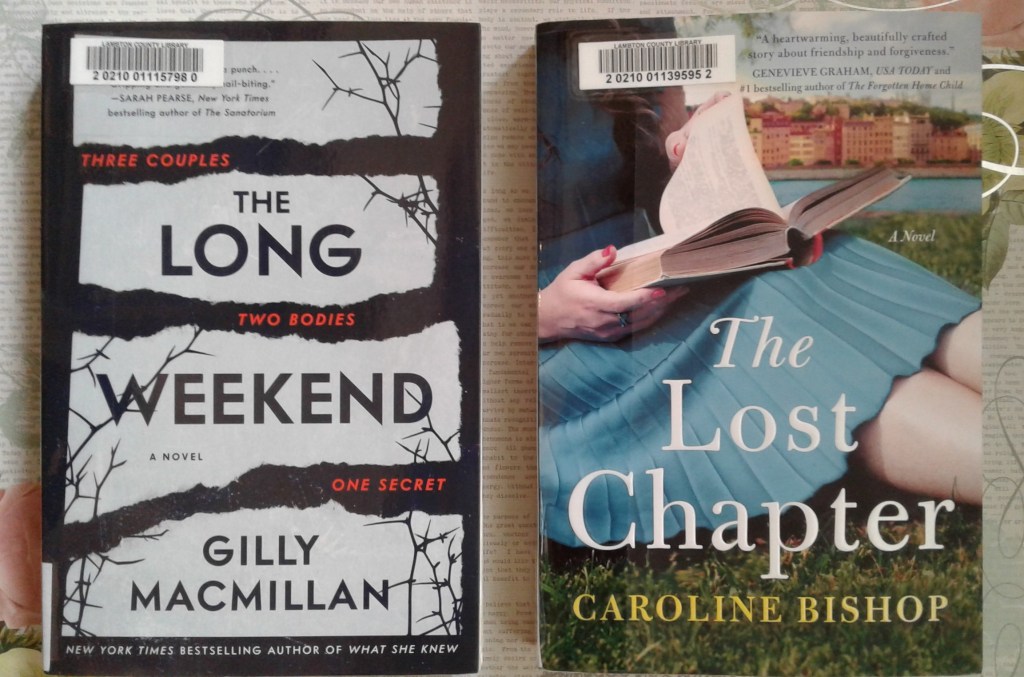


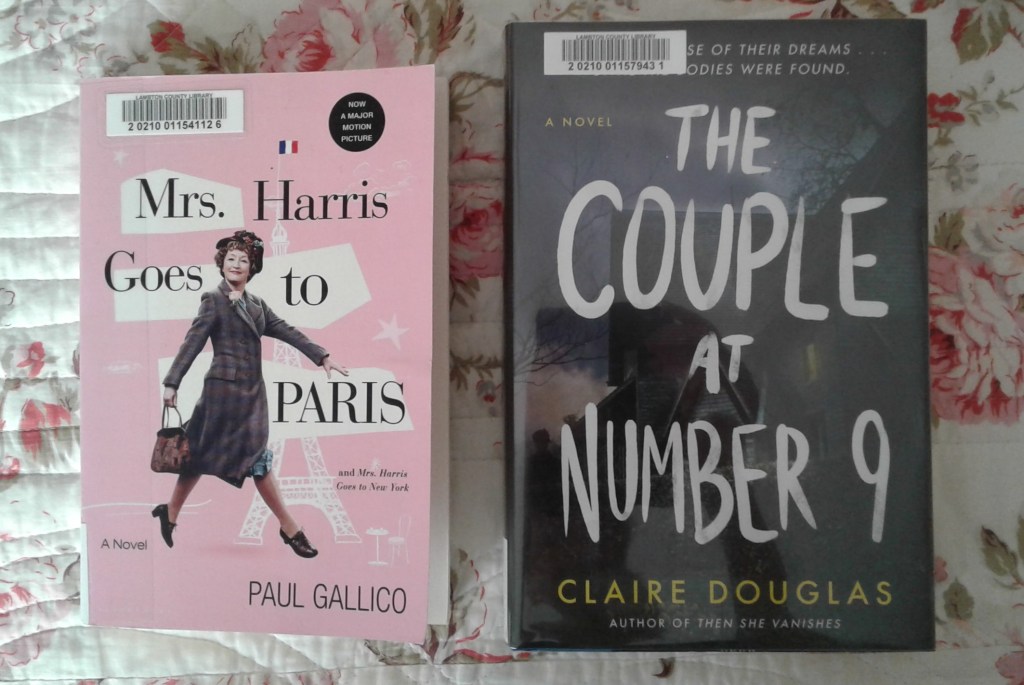
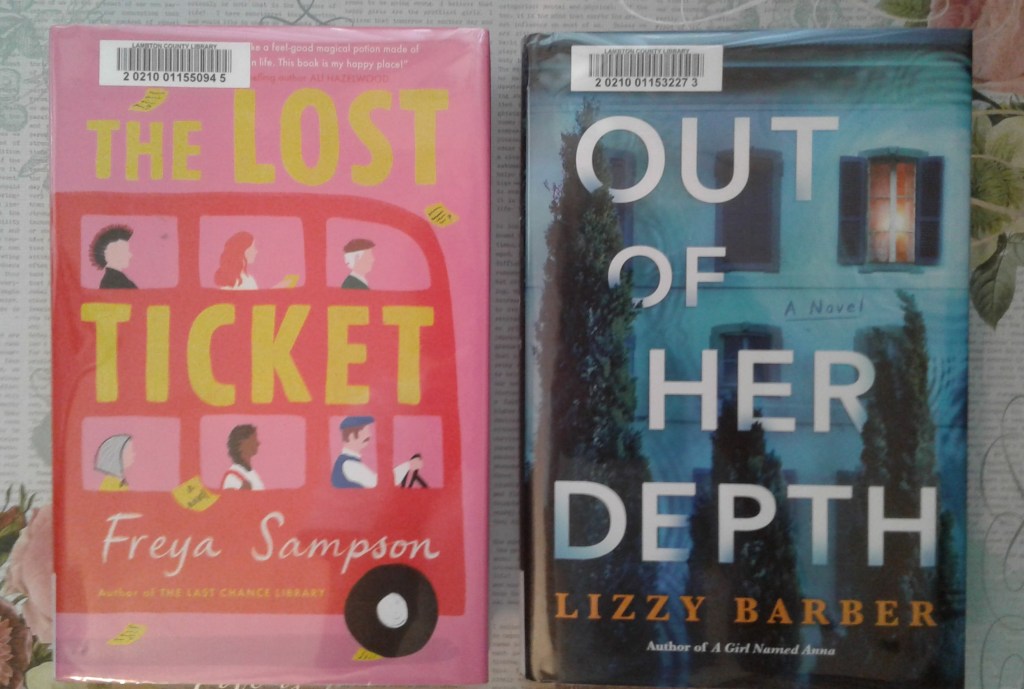

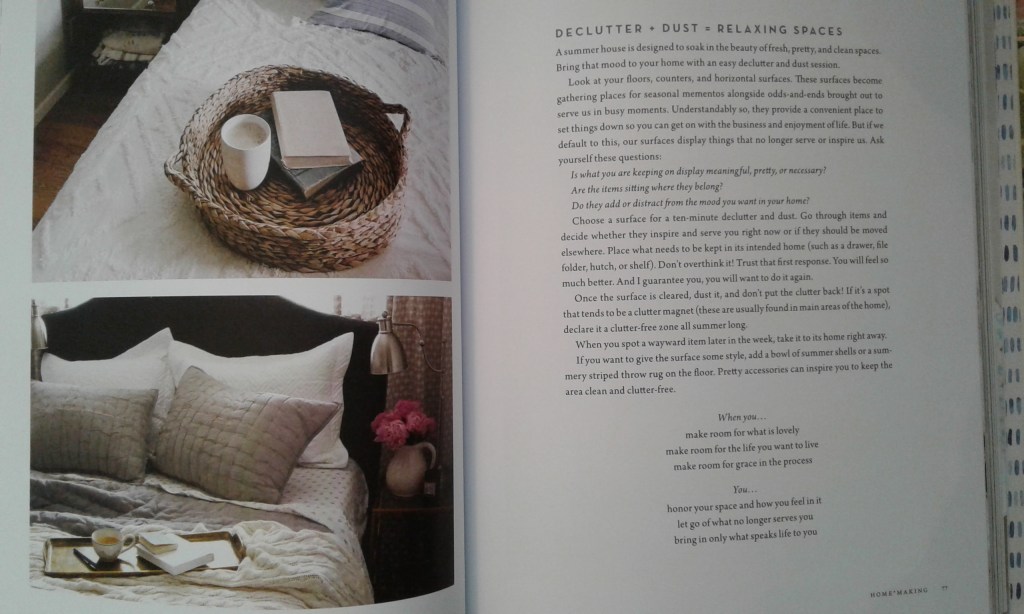


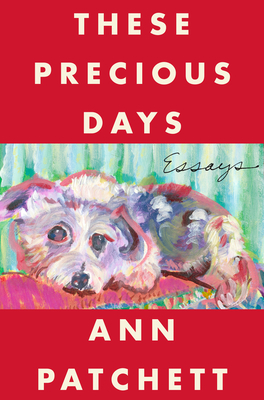


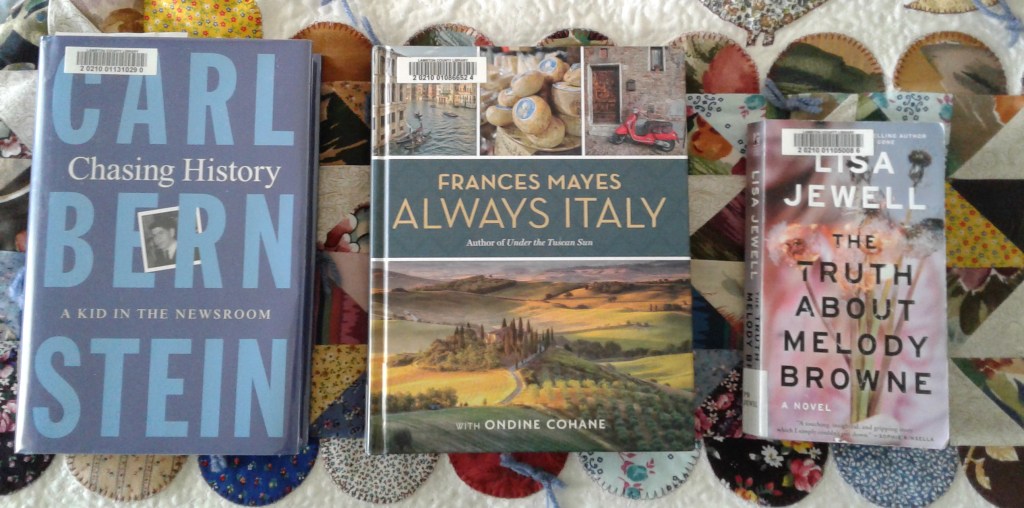


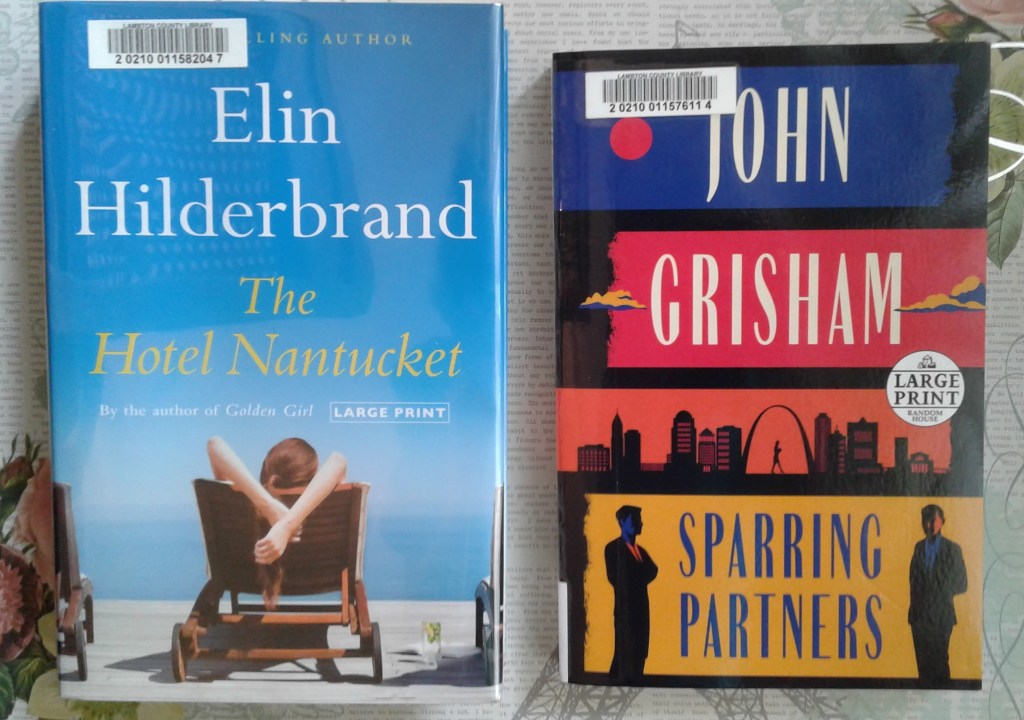

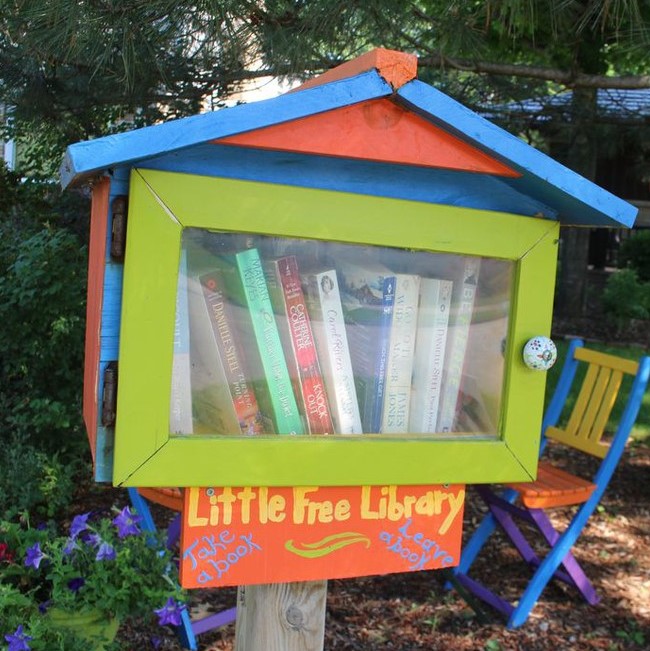

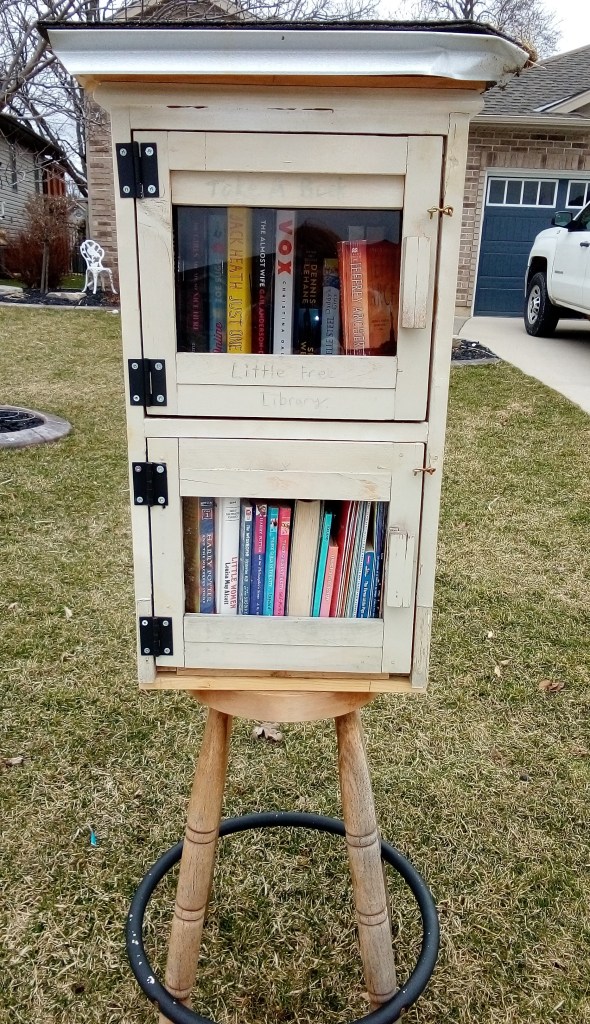

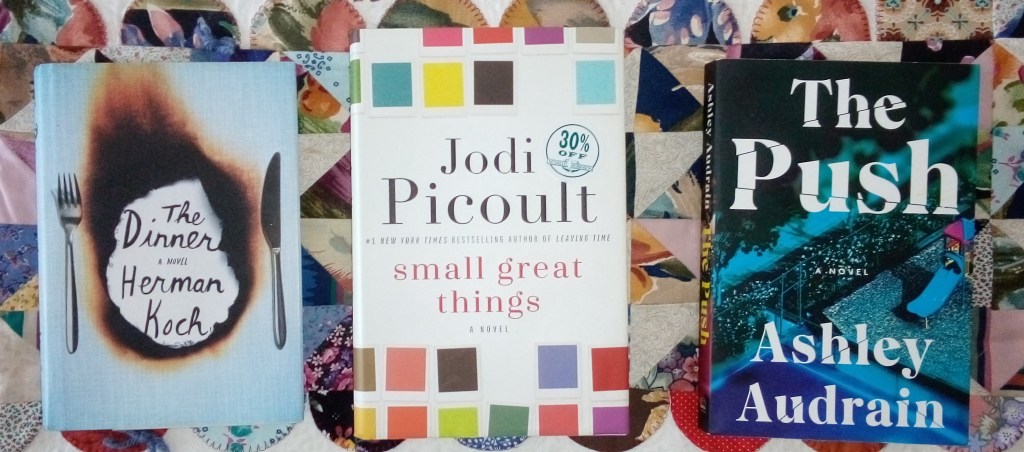
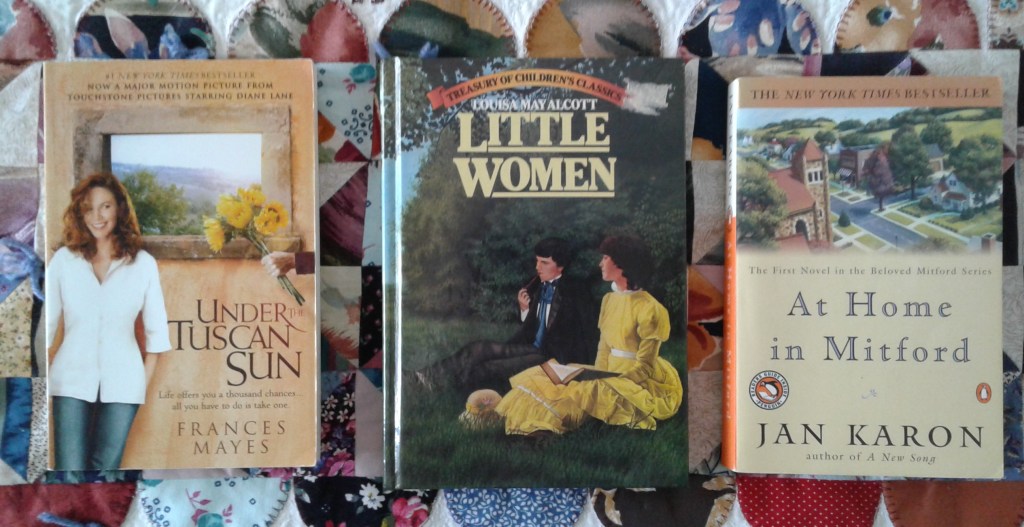


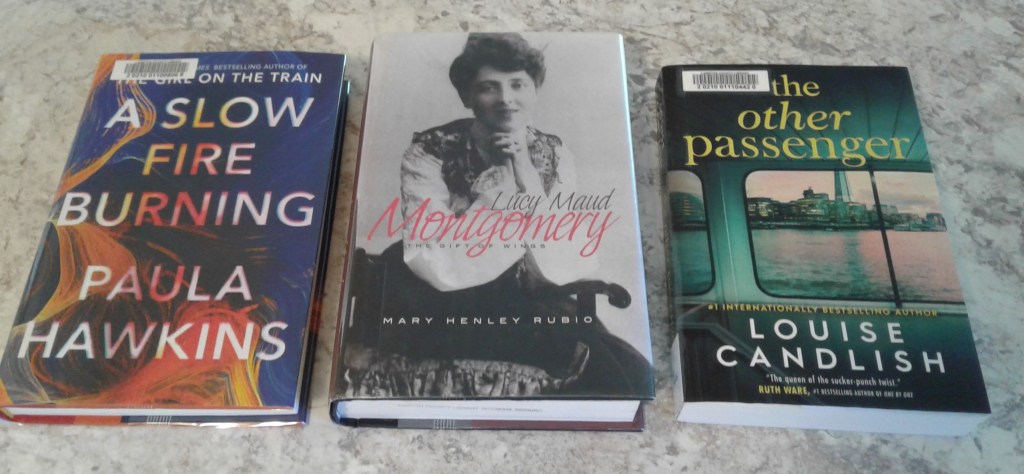
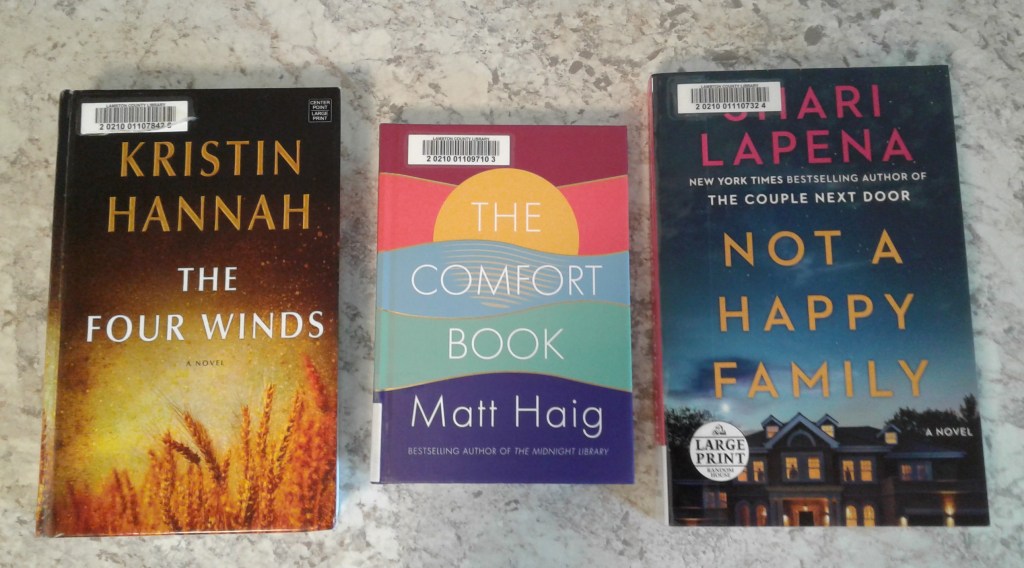
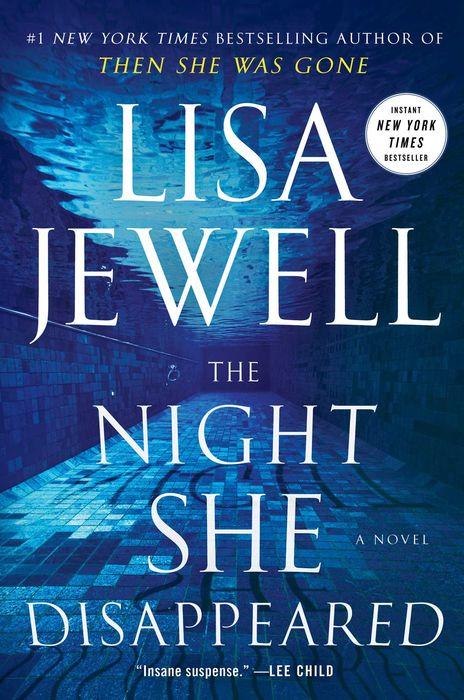

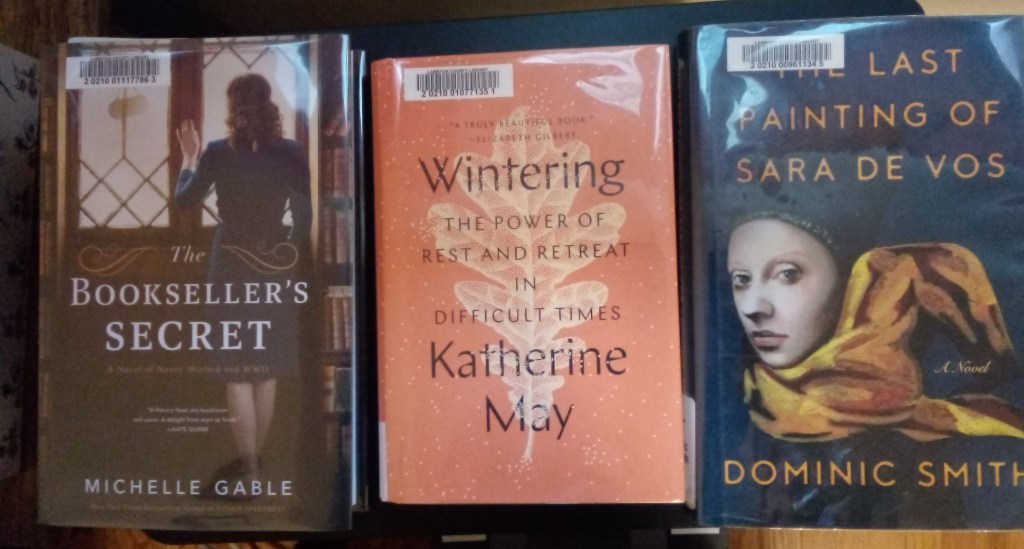


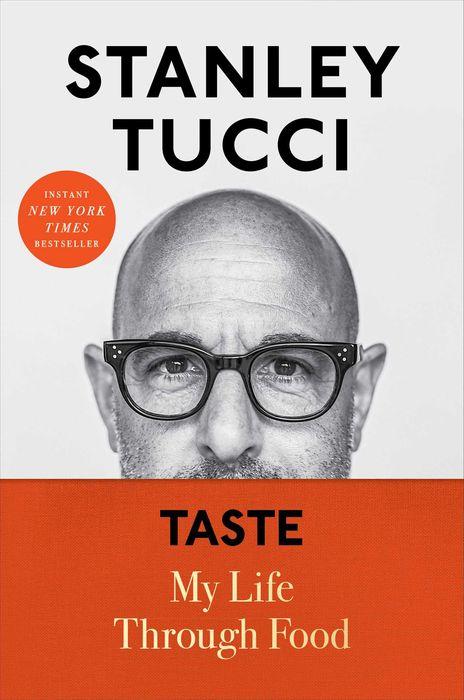


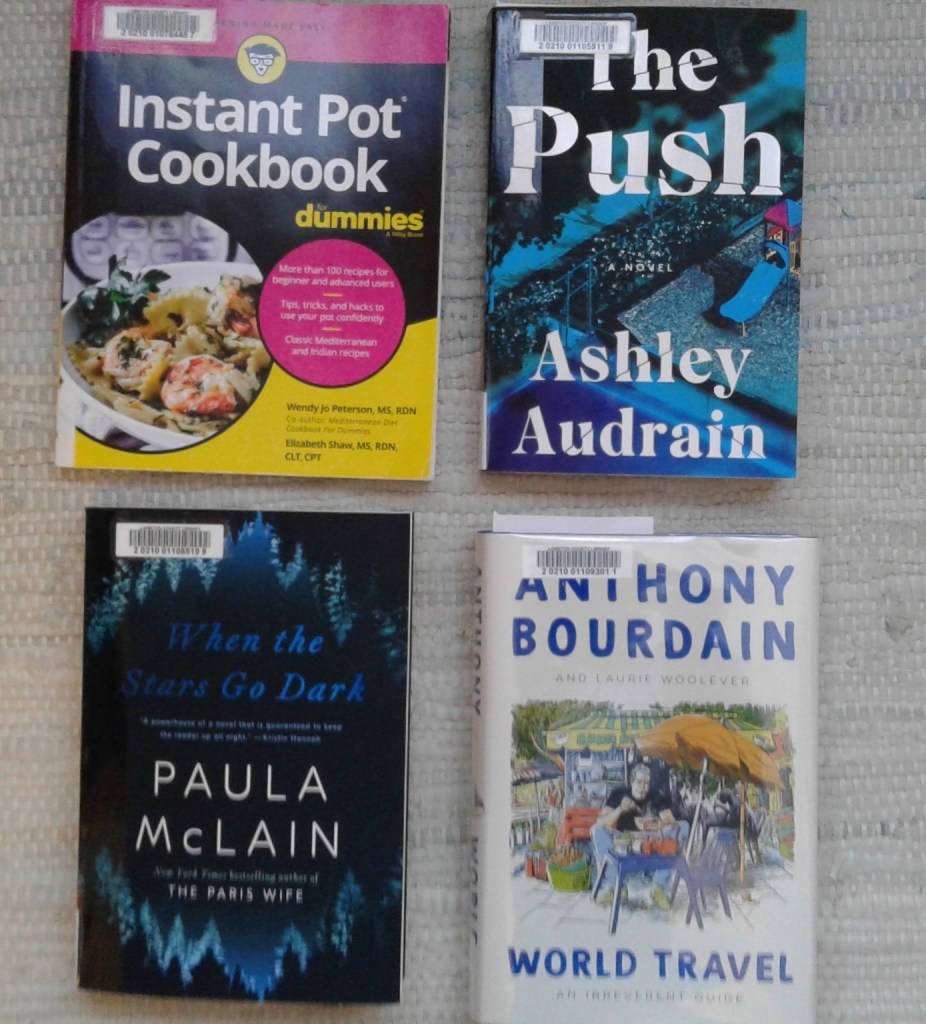


 thehomeplaceweb